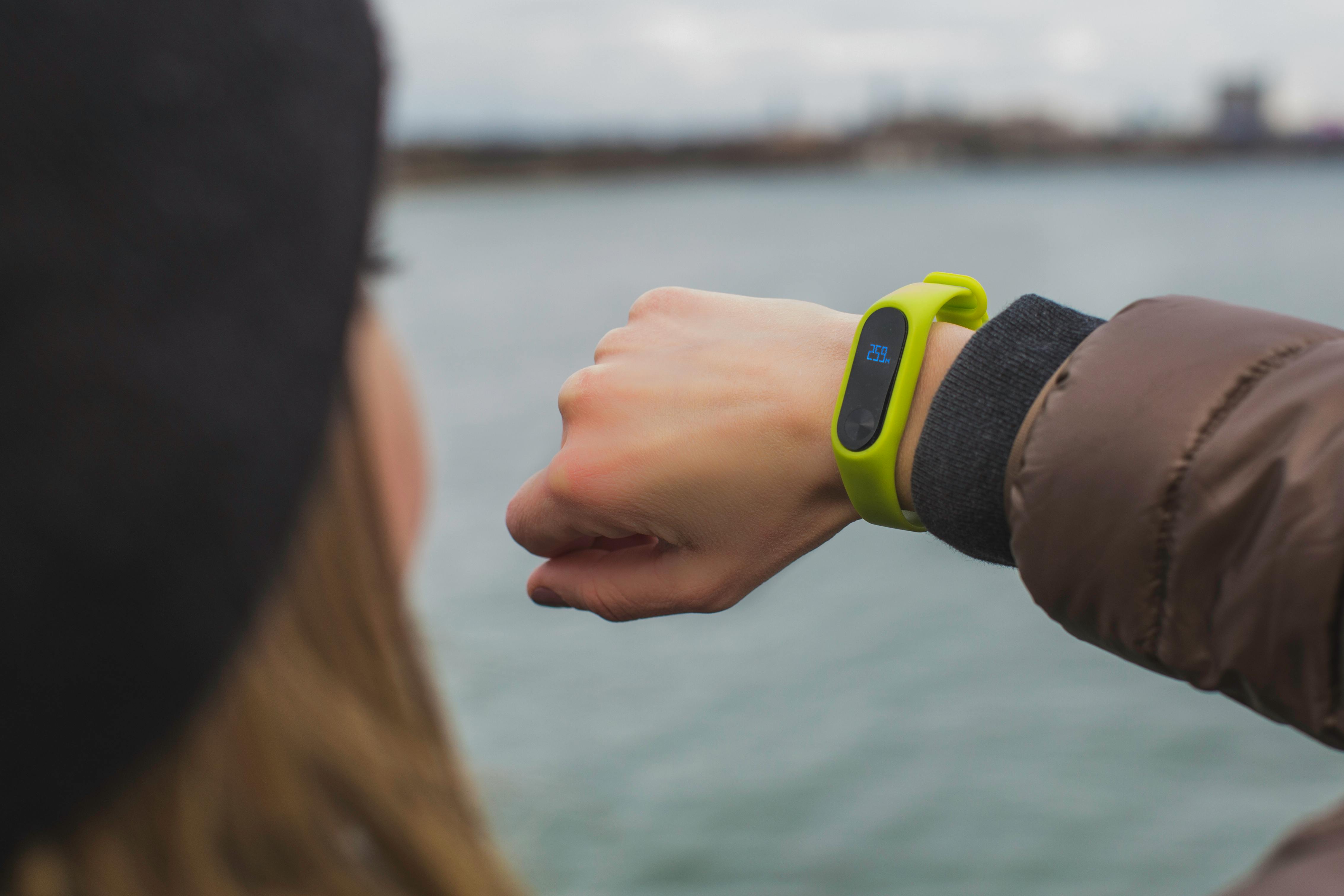
How Accurate Are Fitness Trackers? Insights from a Sports Medicine Doctor
Quick read below — save or share if useful.
As the popularity of fitness trackers continues to rise, many individuals rely on these devices to monitor their health and activity levels. However, a recent insight from a sports medicine doctor at the Cleveland Clinic sheds light on the accuracy of these gadgets, suggesting that while they may provide some motivation, they don't always deliver reliable data. Understanding the nuances of what fitness trackers can and cannot accurately measure is essential for consumers looking to make informed choices about their health technology. This article will explore the insights shared by Dr. Michael Dakkak regarding fitness trackers, focusing on what they get right, what they miss, and how users can use them for effective wellness monitoring.
The Popularity of Fitness Trackers
Fitness trackers, or wearables, have become ubiquitous among health-conscious individuals. With nearly 60% of Americans owning one as of mid-2026, these devices promise to enhance our understanding of personal fitness. They offer features that monitor daily activity, sleep patterns, heart rate, and more. Despite their growing popularity, a critical examination of their performance suggests that users may not receive the full picture regarding their health metrics.
The Importance of Accurate Metrics
Dr. Dakkak emphasizes that only 11% of commercially available fitness trackers have been validated for even a single metric. This raises concerns about the reliability of data users might be basing their health decisions on. Accurately tracking health is vital in personal wellness, and discrepancies in data can lead individuals to make misguided choices about diet and exercise.
What Fitness Trackers Get Right: Step Count
One area where fitness trackers shine is in tracking step count. Research indicates that this metric has a solid foundation of validation, making it a reliable indicator of daily physical activity. Regular walking, often measured by step count, has proven health benefits, including improved cardiovascular health, weight management, and enhanced mood. As users strive for daily activity goals, step counting can encourage a healthier lifestyle.
What Fitness Trackers Get Wrong
While the step count may be a reliable measure, many other metrics often fail to deliver accurate results. Calorie tracking, stress level assessment, and sleep quality evaluation are notorious for their inconsistencies. The Cleveland Clinic warns that these figures should be taken with caution. Users could unknowingly rely on misleading data, leading to potentially harmful practices such as extreme dieting or over-exercising.
Practical Considerations for Users
When considering a fitness tracker, users should remain informed and prudent. It's essential to understand that while these devices can provide motivation, they are not substitutes for professional medical advice. Users should approach the data critically, using fitness trackers as tools alongside traditional methods of health monitoring, but not as definitive sources.
- Utilize your fitness tracker to set achievable step goals as daily reminders to stay active.
- Be cautious about the accuracy of calorie counts and other non-validated metrics.
- Incorporate various forms of exercise into your routine, beyond just what the tracker can measure.
- Consult with healthcare professionals when making significant changes to your diet or exercise plan.
- Always prioritize overall well-being over numbers reported by your device.
FAQ
Can I trust the calorie count from my fitness tracker? While calorie counts provided by fitness trackers can offer a rough estimate, they are often not accurate. It's important to use these figures as a guideline rather than an absolute measure.
How can I make the most out of my fitness tracker? Set realistic step goals, monitor your progress for motivation, and remember that a tracker is most effective when used alongside a balanced diet and professional advice.
In conclusion, understanding the accuracy of fitness trackers helps users leverage their potential benefits while avoiding pitfalls associated with misleading data. By focusing on validated metrics like step count and maintaining a critical mindset about other features, individuals can support their wellness journeys more effectively. In a world increasingly driven by technology, making informed choices becomes the cornerstone of healthy living.
This article is part of the digital publishing network created by Ciro Irmici. Explore the creator portfolio here: Ciro Irmici Portfolio.
- 𝕏 Twitter: @0_Simone_0
- 🎥 YouTube: Audiobook Free – Author Ciro Irmici
- 📸 Instagram: @spartaco_94_
- 💻 Tech Trends: techtrendspins.blogspot.com
- 💪 Fitness Home Journal: fitnesshomejournal.blogspot.com
- 🐾 Pet Care Inspo: petcareinspo.blogspot.com
- 🌍 Nomad Vibes Board: nomadvibesboard.blogspot.com
- 💰 Crypto Radar Board: cryptoradarboard.blogspot.com
- 🌱 Green Planet Pins: greenplanetpins.blogspot.com
- 🥗 Healthy Eats Board: healthyeatsboard.blogspot.com
Enjoyed this post? Share it or explore more across my blogs and channels.