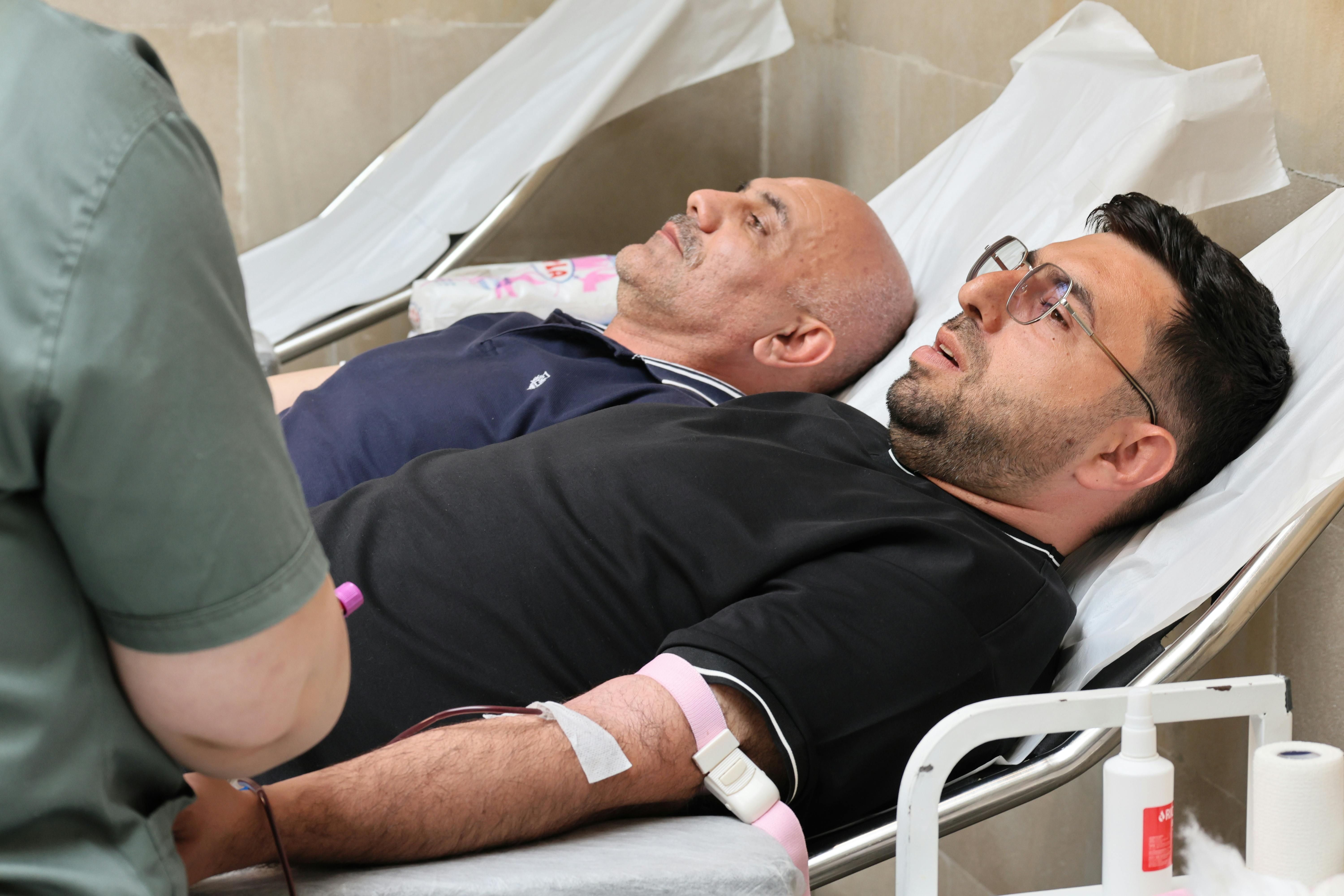
Red Cross Faces Blood Supply Crisis: Urgent Call for Donations
Quick read below — save or share if useful.
In a sobering announcement, the American Red Cross has declared a nationwide blood supply crisis, marking only the second time in its history that such a declaration has been made. This critical situation arises during the summer of 2026, a time when blood donations typically see a decline due to busy schedules and what the Red Cross refers to as “summer trauma season.” Factors such as extreme heat, poor air quality, and increased instances of foodborne illnesses have further compounded the problem, leading to a record low in blood donations this year. The urgent plea for donations underscores the need for community support to ensure that hospitals continue to have sufficient blood supplies for those in critical need.
The Current State of Blood Donations
As of July 2026, blood donations have fallen to a four-year low, spurring the Red Cross to take significant measures to address the crisis. With ongoing challenges in collection efforts, the Red Cross is emphasizing that every blood donation can save lives. The organization has announced that just three additional donors at each blood drive could stabilize the current blood supply, illustrating how collective community effort can make a tangible difference in this urgent situation.
How You Can Make a Difference
If you're eligible to donate blood, now is the time to act. The Red Cross is offering incentives to encourage more donations during August 2026, particularly targeting type O donors who are critically needed at this time. By donating, you will receive a $20 Amazon gift card delivered to your email, and type O donors can benefit from an additional $10 gift card. This initiative serves as a reminder of the pressing need for blood and aims to motivate individuals to contribute to this life-saving cause.
Understanding Blood Types and Their Importance
Blood type plays a significant role in transfusion medicine. Type O positive blood is the most commonly required type and is crucial for treating patients in emergencies. The Red Cross has started to limit its distribution of type O blood directly to hospitals to ensure that there is enough for patients facing life-threatening situations. As hospitals experience increased demand, understanding the significance of the various blood types can help potential donors realize the impact of their contributions.
The Impact of Participation on Community Health
Blood donation is not merely an act of altruism; it is a cornerstone of community health. A stable blood supply affects various aspects of medical care, from trauma treatment to surgical procedures. As blood donation rates fall, the ability to provide necessary medical interventions can also be compromised. Hence, participating in blood drives is a vital element of supporting public health during peak seasons of demand.
Practical Takeaways for Potential Donors
- Check your eligibility to donate blood, as guidelines may vary by location.
- Book an appointment through the Blood Donor App or visit the Red Cross website.
- Consider participating in community blood drives, especially during summer months.
- Spread the word about the need for donations among friends and family to increase turnout.
- Stay informed about types of blood needed and the impact of your donation.
FAQ
What can I do if I'm not eligible to donate blood? You can still help by encouraging others to donate and sharing information about local blood drives.
How often can I donate blood? Generally, you can donate whole blood every 56 days. It's essential to check with the Red Cross or your blood donation center for specific guidelines.
While the summer of 2026 has presented significant challenges for blood donations, it also reveals a vital opportunity for individuals to come together as a community. By answering the call to donate, you not only help address an immediate crisis but also contribute to the long-term health and well-being of countless individuals dependent on blood transfusions. The interconnectedness of our health and the well-being of our neighbors is underscored during times like this, making it essential for us to take proactive steps towards supporting our medical systems.
This article is part of the digital publishing network created by Ciro Irmici. Explore the creator portfolio here: Ciro Irmici Portfolio.
- 𝕏 Twitter: @0_Simone_0
- 🎥 YouTube: Audiobook Free – Author Ciro Irmici
- 📸 Instagram: @spartaco_94_
- 💻 Tech Trends: techtrendspins.blogspot.com
- 💪 Fitness Home Journal: fitnesshomejournal.blogspot.com
- 🐾 Pet Care Inspo: petcareinspo.blogspot.com
- 🌍 Nomad Vibes Board: nomadvibesboard.blogspot.com
- 💰 Crypto Radar Board: cryptoradarboard.blogspot.com
- 🌱 Green Planet Pins: greenplanetpins.blogspot.com
- 🥗 Healthy Eats Board: healthyeatsboard.blogspot.com
Enjoyed this post? Share it or explore more across my blogs and channels.