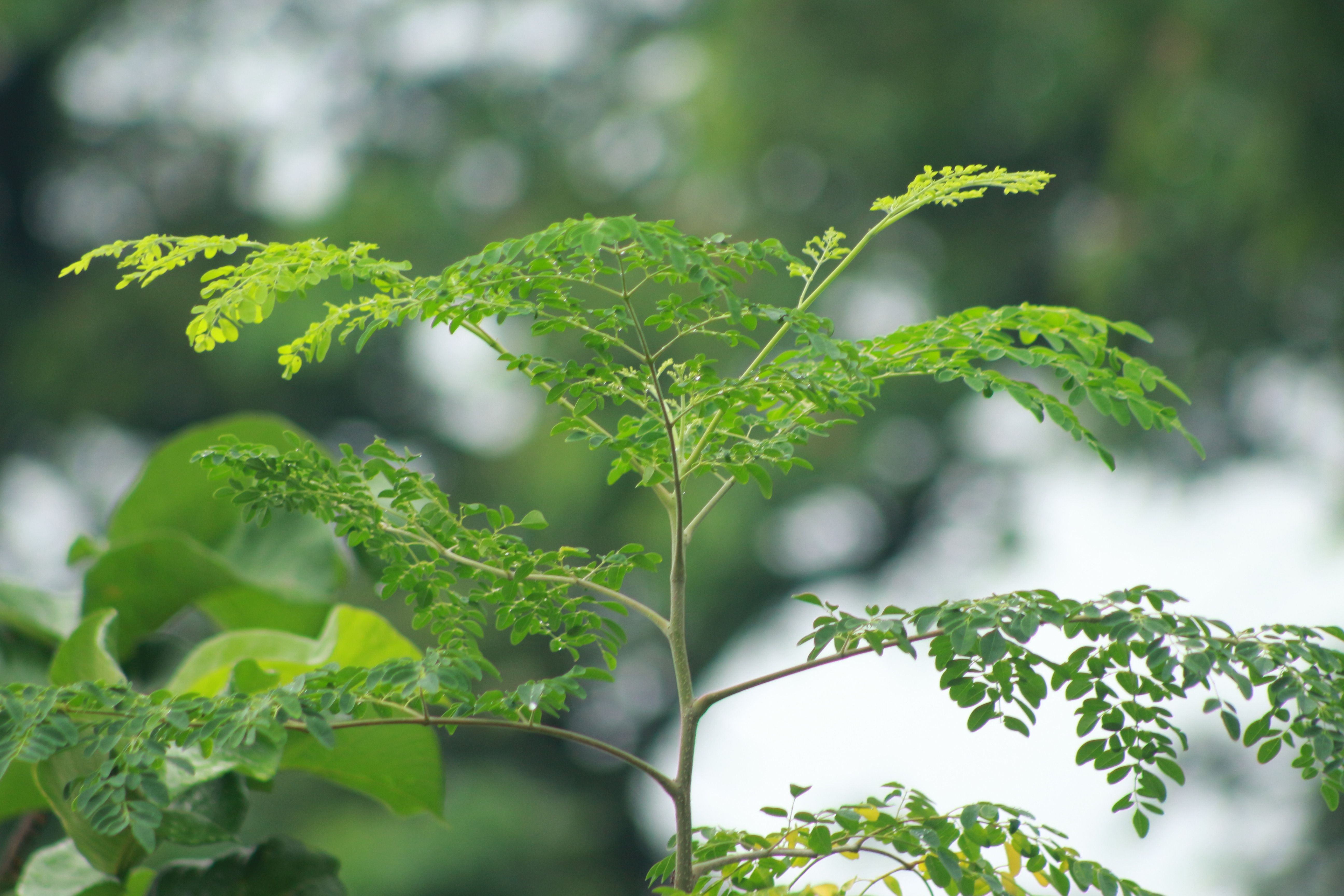
How Moringa May Help Lower Blood Pressure: Insights from New Research
Quick read below — save or share if useful.
Recent research has highlighted the potential benefits of moringa, a plant often referred to as a "miracle tree," in managing blood pressure. With its rich nutritional profile, moringa contains complete proteins, a variety of vitamins, and minerals that support overall wellbeing. This article delves into how moringa could play a role in blood pressure management based on new findings and why this may be of interest to those seeking to enhance their health through practical dietary choices.
Understanding Moringa
Moringa is a fast-growing tree native to parts of Africa and Asia. Known for its nutritious leaves, pods, and seeds, moringa has been revered in traditional medicine for its array of health benefits. The plant is celebrated for its high concentrations of vitamins A, C, and E, calcium, potassium, and antioxidants. This combination of nutrients has led to increased interest in moringa as a dietary supplement, particularly in relation to heart health.
Research Insights on Blood Pressure
Recent findings from a review published in Biomolecules & Biomedicine suggest that moringa may help in lowering blood pressure. While much of the research relies on previous animal studies, an analysis by Malaysian researchers indicates that moringa has properties that could make it relevant for cardiovascular health. The connection between moringa and blood pressure management lies primarily in its ability to promote vascular relaxation and potentially inhibit angiotensin-converting enzyme (ACE), both of which are vital in regulating blood pressure levels.
The Mechanisms Behind Moringa’s Effects
Moringa's potential to lower blood pressure could be attributed to several mechanisms. The first is its nitric oxide content, which may help relax and widen blood vessels. Secondly, moringa exhibits antioxidant properties that may counteract oxidative stress on the blood vessels, contributing to overall vascular health. Additionally, there is evidence to suggest that moringa could help protect the endothelium, the thin inner lining of blood vessels, thus preventing dysfunction that can lead to cardiovascular diseases like atherosclerosis.
Practical Ways to Incorporate Moringa
If you’re interested in exploring the benefits of moringa for blood pressure management, consider the following practical ways to incorporate it into your diet:
- Moringa Powder: Add moringa powder to smoothies, soups, or stews for a nutrition boost.
- Moringa Tea: Brew moringa leaves to make a refreshing tea.
- Supplements: Look for moringa-based capsules or tablets, ensuring they are from a reputable source.
- Fresh Moringa Leaves: Incorporate fresh moringa leaves into salads or use them as a garnish in dishes.
Potential Risks and Considerations
While the potential benefits of moringa are promising, it's important to approach its use with caution. Herbal supplements, including moringa, are not regulated by the Food and Drug Administration (FDA). This lack of regulation means that quality and safety can vary significantly between products. The recent removal of several moringa products from the market due to contamination concerns highlights the importance of sourcing quality supplements from reputable manufacturers. Additionally, people interested in using moringa for blood pressure management should consult with a healthcare provider, especially if they are taking other medications.
FAQ
Can moringa be used by everyone? While moringa is generally considered safe for most people, those with specific health conditions or who are pregnant should seek advice from a healthcare professional before use.
How often should I consume moringa for blood pressure benefits? There is no established dosage, so it is advisable to start with small amounts and consult a healthcare provider for personalized recommendations.
In conclusion, the rising interest in moringa as a natural approach to managing blood pressure reflects a broader trend toward using plant-based foods for improving health. While research continues to unfold, incorporating moringa into a balanced diet could potentially offer a range of nutritional benefits, reinforcing the idea that what we eat plays a critical role in our overall wellbeing.
This article is part of the digital publishing network created by Ciro Irmici. Explore the creator portfolio here: Ciro Irmici Portfolio.
- 𝕏 Twitter: @0_Simone_0
- 🎥 YouTube: Audiobook Free – Author Ciro Irmici
- 📸 Instagram: @spartaco_94_
- 💻 Tech Trends: techtrendspins.blogspot.com
- 💪 Fitness Home Journal: fitnesshomejournal.blogspot.com
- 🐾 Pet Care Inspo: petcareinspo.blogspot.com
- 🌍 Nomad Vibes Board: nomadvibesboard.blogspot.com
- 💰 Crypto Radar Board: cryptoradarboard.blogspot.com
- 🌱 Green Planet Pins: greenplanetpins.blogspot.com
- 🥗 Healthy Eats Board: healthyeatsboard.blogspot.com
Enjoyed this post? Share it or explore more across my blogs and channels.