Healthy Eating Hub

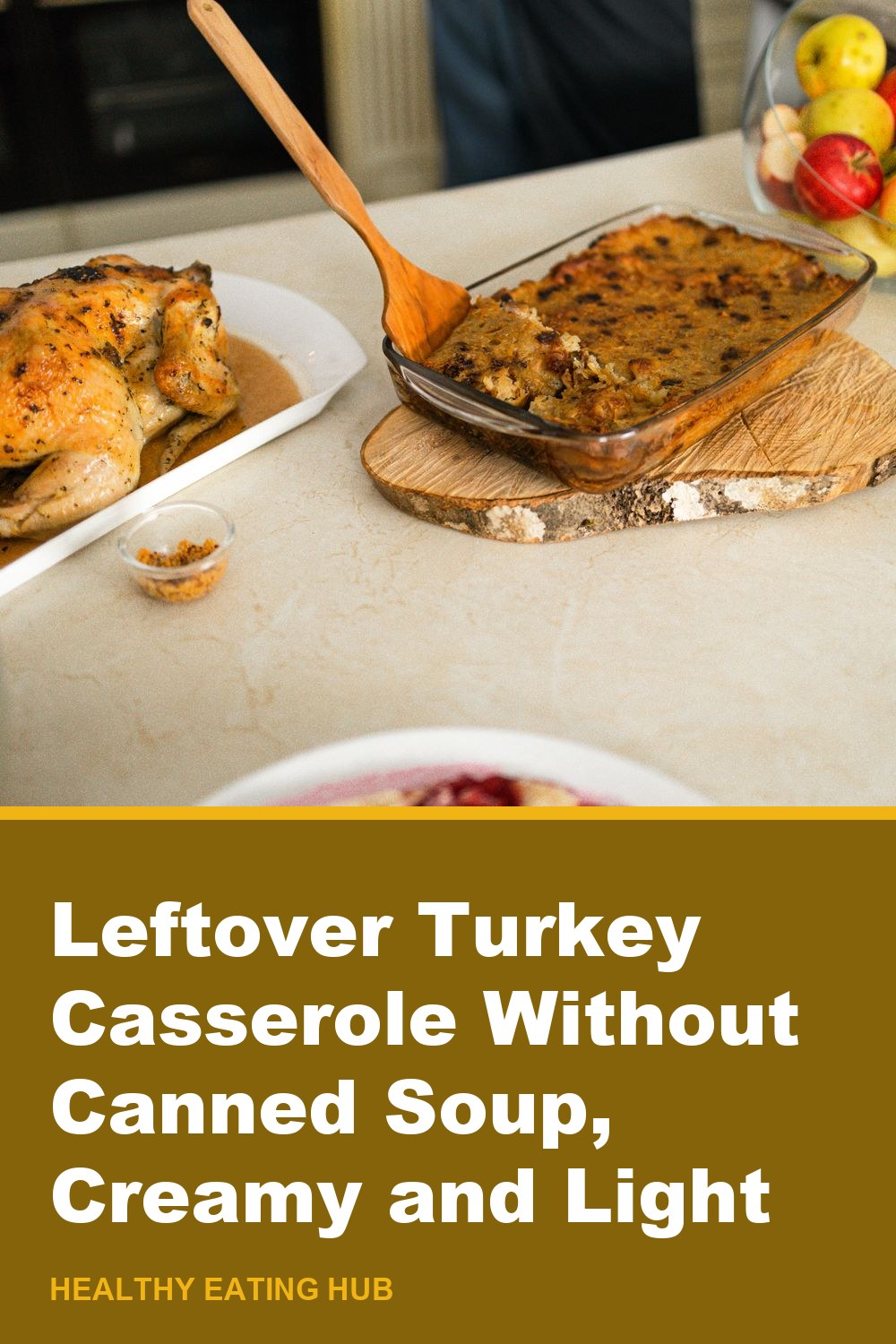
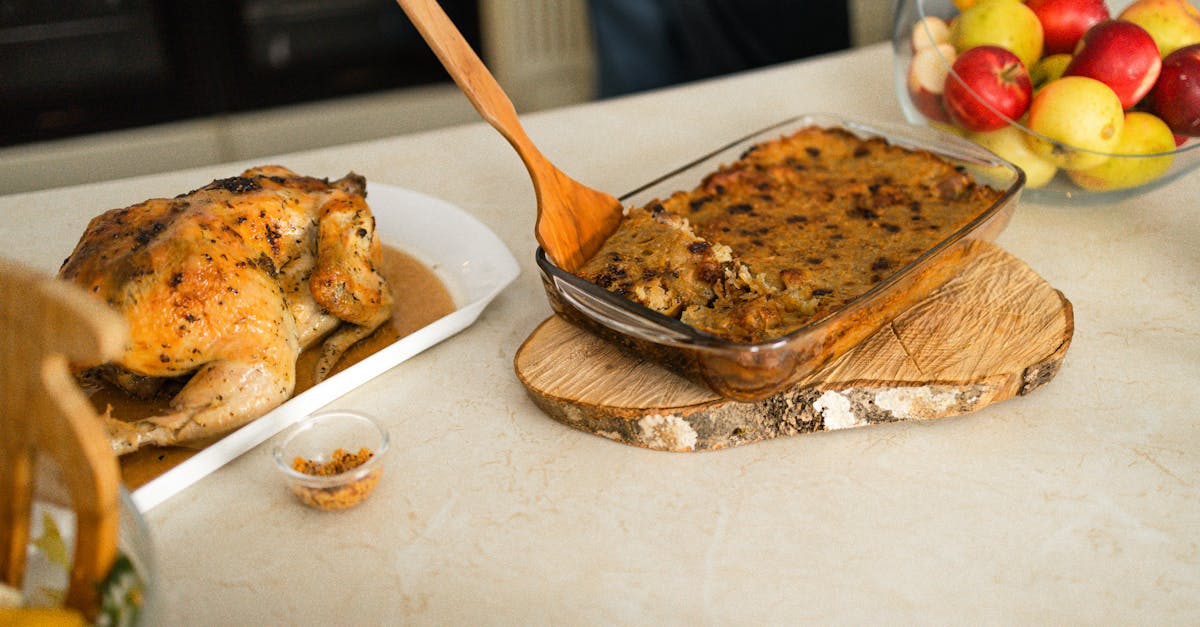
- Cottage cheese and cream cheese stirred into a quick stock-and-flour gravy replace canned soup and keep the sauce creamy.
- Turkey keeps up to 4 days in the fridge in total, so the casserole is best eaten within about 3 days of making it.
- Reheat covered in a 350°F oven or in the microwave until hot all the way through, and use a food thermometer to be sure.
You can make a creamy leftover turkey casserole without canned soup by building a quick gravy from butter, flour and low-sodium turkey stock, then melting in cottage cheese and cream cheese. The sauce is rich and savory, and you control the salt. This matters right after Thanksgiving, when the turkey in your fridge is on a clock and everyone is tired of sandwiches. Below is the full recipe, adapted from Skinnytaste's Leftover Turkey Casserole, followed by how long it keeps and how to reheat it safely.
Why this casserole works without a can of soup
According to Skinnytaste, the dish is a lighter take on Million Dollar Chicken Casserole. The creaminess comes from low-fat cottage cheese and low-fat cream cheese. They melt into a homemade gravy and also add protein. Skinnytaste lists 32 grams of protein per serving.
The sauce also keeps the turkey from drying out in the oven. Because you make the gravy yourself with unsalted or low-sodium stock, you decide how much salt goes in. If you are trying to cut back, our home cook's guide to eating less salt and more potassium has more everyday ideas.
Ingredients for the lighter turkey casserole
You will need a 2-quart baking dish. Adjust the vegetables to whatever is left from your holiday meal.
- Olive oil cooking spray
- 2 ounces whole wheat butter crackers (about 20), coarsely crumbled, roughly 1 heaping cup
- 1¾ teaspoons garlic powder, divided
- 1¾ teaspoons onion powder, divided
- ¾ teaspoon freshly ground black pepper, divided
- 2 tablespoons unsalted butter
- 2 tablespoons all-purpose flour
- 1¼ cups unsalted or low-sodium turkey stock
- 1 teaspoon kosher salt, plus more to taste
- ½ cup low-fat cottage cheese (about 4 ounces)
- 4 ounces low-fat cream cheese, cut into 4 cubes
- 8 ounces cooked turkey breast, shredded or chopped (about 2 cups)
- 12 ounces leftover roasted vegetables (about 3 cups), roughly chopped. Green beans, broccoli, cauliflower and Brussels sprouts all work.
- 2 scallions, thinly sliced and divided (about ⅓ cup)
Method: from gravy to golden topping
- Set a rack in the lower third of the oven and heat it to 375°F. Spray the baking dish with olive oil.
- Put the crumbled crackers in a medium bowl, spray them generously with oil and stir. Add ½ teaspoon garlic powder, ½ teaspoon onion powder and ¼ teaspoon pepper, then stir again. Set aside.
- Melt the butter in a large, high-sided skillet over medium heat. Add the flour and stir constantly for 1 minute.
- Pour in the turkey stock a little at a time, whisking the whole time so no lumps form. Whisk in the salt and the remaining garlic powder (1¼ teaspoons), onion powder (1¼ teaspoons) and pepper (½ teaspoon).
- Bring to a simmer and keep whisking until the sauce thickens to a creamy gravy, 3 to 5 minutes.
- Lower the heat, add the cottage cheese and cream cheese, and stir until the cream cheese melts into the gravy, about 1 minute.
- Stir in the turkey, the roasted vegetables and half of the scallions. Taste, and add a little more salt only if it needs it.
- Spoon everything into the baking dish and scatter the seasoned cracker crumbs on top.
- Bake for 20 to 25 minutes, until the edges bubble and the topping is lightly browned. Rest for 5 minutes, then top with the remaining scallions and serve.
Skinnytaste serves it with a green salad, such as an arugula salad, so the meal gets an extra serving of vegetables.
One easy swap: use your leftover gravy
If there is gravy left from the holiday meal, skip the skillet steps for the sauce. Skinnytaste suggests using 1¼ cups of whatever gravy you have. Warm it gently, stir in the two cheeses until melted, then continue from step 7. Taste before adding any salt, because leftover gravy is already seasoned.
How long it keeps, and how to reheat it safely
Skinnytaste says the casserole lasts about 3 days in the fridge, depending on how old your turkey was when you used it. The turkey itself can be refrigerated for up to 4 days in total. The clock starts when the turkey was first cooked, not when you made the casserole. If you bake it the day after Thanksgiving, it should be fine until that Sunday.
For reheating, Skinnytaste suggests either the microwave or a covered dish in a 350°F oven until warm. Warm is the minimum. Make sure the center of the dish is hot, not just the edges. A food thermometer takes the guesswork out, so check your national food safety agency for the target temperature for reheated leftovers and use it.
Skinnytaste does not recommend freezing this casserole. The cream sauce can change texture once thawed. Our post on what happens when you freeze cheese, milk and cream cheese explains why dairy behaves that way.
Fridge-to-table checklist for turkey leftovers
- Write the cooking date on the container. The 4-day limit for turkey counts from the day it was cooked.
- Use shallow, lidded containers so leftovers get into the fridge promptly and stay covered.
- Decide early. If you won't finish the turkey by day 4, do not wait to turn it into a casserole.
- Eat the baked casserole within about 3 days. Label it with the day you baked it.
- Reheat covered in the oven or in the microwave, then check that the middle is hot. Stir microwaved portions halfway through so the heat spreads.
- Do not refreeze or stretch the timeline just because it still looks and smells fine.
The same fridge-time thinking applies to other poultry. Our post on how long cooked chicken lasts in the fridge is a useful companion.
Other small swaps that keep it family-friendly
Skinnytaste notes that shredded or chopped chicken and chicken stock can replace the turkey and turkey stock. For a gluten-free version, use gluten-free flour in the gravy and gluten-free crackers for the topping. Because the sauce is so mild, picky eaters often accept the vegetables hidden in it, and the crunchy crumbs on top make it feel like a treat.
If anyone in your household has a health condition that affects sodium, dairy or protein intake, a doctor or registered dietitian can tell you what suits them.
As an Amazon Associate I earn from qualifying purchases: if you buy through these links I may earn a small commission, at no extra cost to you. Each link opens a search on the Amazon store for your country.
Watch or listen to this episode
Sources
Photo: Maksim Goncharenok / Pexels

I'm an Italian creator who builds apps, games and websites. I run Healthy Eating Hub with the help of AI tools: every article starts from the sources linked above, and I check what goes out. I'm not a doctor, a lawyer or a financial adviser. Spotted a mistake or have an idea? Write to me.
Instagram @spartaco_94_My websiteWrite to meAbout this blogWritten by Ciro Irmici (Ciro Simone Irmici), with the help of AI tools. Ciro Irmici's website