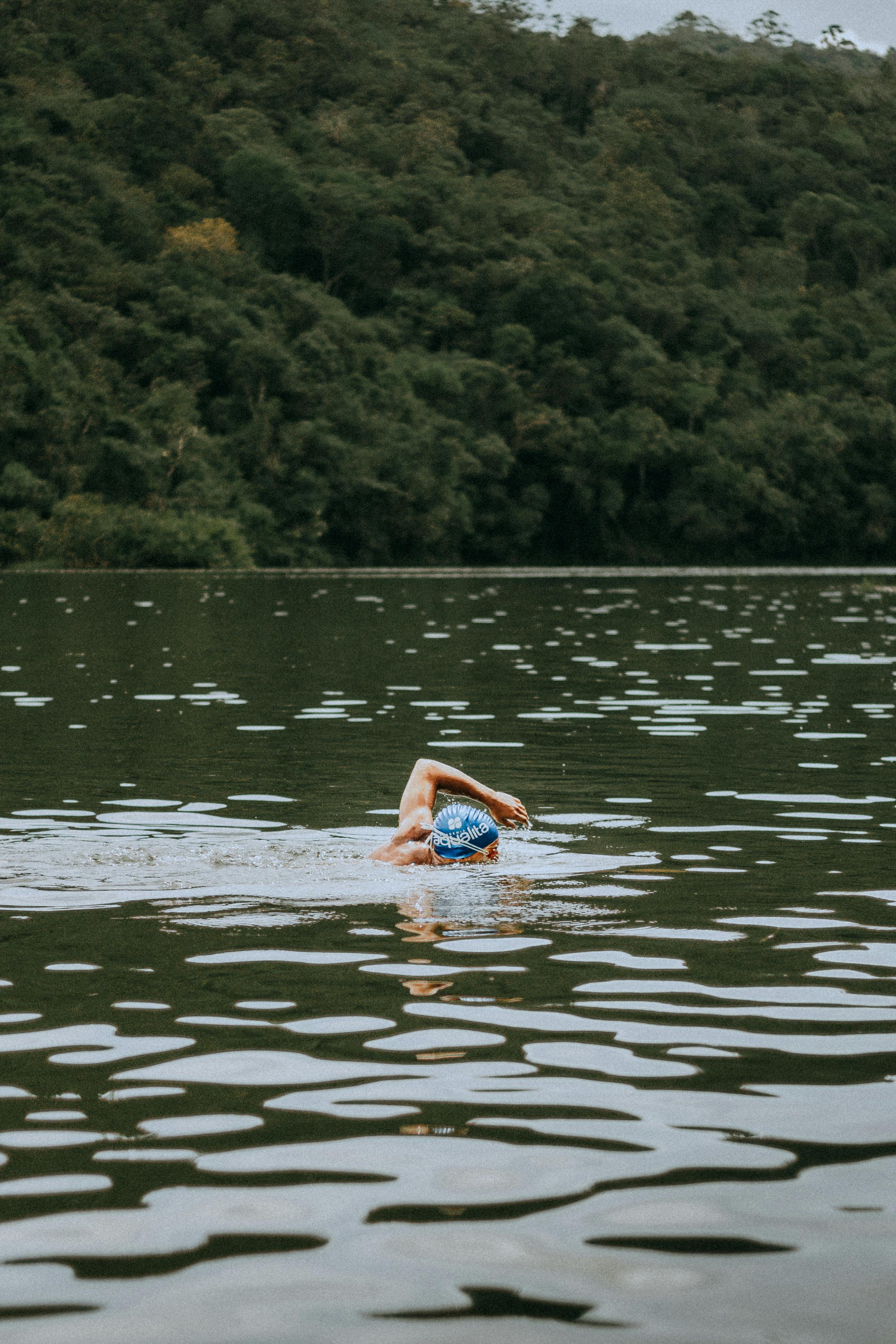
Avoid Brain-Eating Amoeba: Expert Swimming Safety Tips You Need
Quick read below — save or share if useful.
As the summer heat beckons many of us to take a dip in refreshing lakes or hot springs, it is crucial to remember that water activities can present health risks if not approached with caution. One particular concern is the brain-eating amoeba, a dangerous organism that can lead to severe infections. In light of recent media coverage surrounding infections caused by Naegleria fowleri, it’s important to understand how to minimize risk while enjoying summer activities. Here are some practical safety tips that can help keep your swimming experiences both pleasurable and safe.
Understanding Naegleria fowleri
Naegleria fowleri is a free-living amoeba commonly found in warm freshwater environments such as lakes, rivers, and hot springs. It is often infamously referred to as the “brain-eating amoeba” because it can enter through the nasal passages during water activities and potentially infect the brain, leading to a rare but often fatal disease known as primary amoebic meningoencephalitis (PAM). Although infections are exceedingly rare, the consequences are devastating, making awareness and preventative measures crucial during swimming season.
Expert Recommendations for Swimmers
To safeguard against the brain-eating amoeba while enjoying our favorite aquatic activities, taking some precautions is essential. Dr. Lysette Cardona from Cleveland Clinic suggests two straightforward yet effective rules:
- Hold Your Nose: When jumping or diving into fresh water, holding your nose can prevent water from entering your sinuses, thereby reducing the likelihood of infection.
- Avoid Submerging Your Head in Hot Springs: Submerging your head in hot springs not only poses risks for the amoeba but also exposes you to other potential contaminants. Staying cautious can help ensure a safer experience.
The Risk Factors of Water Activities
Climate change is another factor contributing to the potential hazards of swimming. Rising water temperatures can promote the growth of harmful algae and microbes, amplifying health risks in natural bodies of water. Moreover, poorly maintained pools and water systems also create an environment conducive to the survival of Naegleria fowleri. Therefore, always opt for regulated and well-maintained swimming environments to further reduce your exposure to illness.
Signs and Symptoms to Watch For
While it is important to enjoy summer, staying informed about the signs of potential infections is equally vital. Early symptoms of Naegleria fowleri infection can manifest within a few days of exposure and may include:
- Fever
- Nausea and vomiting
- Severe headache
- Stiff neck
- Confusion or altered mental status
If any of these symptoms arise after possible exposure to warm freshwater, seeking medical attention immediately can be life-saving. Early intervention is crucial for improving outcomes when faced with a suspected Naegleria fowleri infection.
Practical Takeaways for Safe Swimming
Smoothening out your summer experiences doesn’t have to include fear; instead, focus on informed choices. Here’s a quick list of takeaway points:
- Always wear a nose clip when diving into unknown water.
- Avoid submerging your head in hot springs or poorly maintained pools.
- Frequent well-regulated and clean swimming pools to minimize exposure.
- Pay attention to local advisories regarding water quality and safety.
- Keep life jackets on children around open water.
- Prioritize regular cleaning and maintenance of pools and hot tubs.
FAQ
What should I do if I experience symptoms after swimming in freshwater? Seek medical treatment immediately if you experience symptoms like fever, nausea, or severe headaches after swimming in warm freshwater.
Is Naegleria fowleri infection common? No, Naegleria fowleri infections are extremely rare, but they can be fatal. Awareness and caution can significantly reduce the risk of infection.
With the right precautions, you can enjoy swimming while staying safe from the risks associated with the brain-eating amoeba. Understanding the importance of preventive measures offers peace of mind, allowing you to make the most of your summer fun in the water. Enjoy the sunshine and stay safe!
This article is part of the digital publishing network created by Ciro Irmici. Explore the creator portfolio here: Ciro Irmici Portfolio.
- 𝕏 Twitter: @0_Simone_0
- 🎥 YouTube: Audiobook Free – Author Ciro Irmici
- 📸 Instagram: @spartaco_94_
- 💻 Tech Trends: techtrendspins.blogspot.com
- 💪 Fitness Home Journal: fitnesshomejournal.blogspot.com
- 🐾 Pet Care Inspo: petcareinspo.blogspot.com
- 🌍 Nomad Vibes Board: nomadvibesboard.blogspot.com
- 💰 Crypto Radar Board: cryptoradarboard.blogspot.com
- 🌱 Green Planet Pins: greenplanetpins.blogspot.com
- 🥗 Healthy Eats Board: healthyeatsboard.blogspot.com
Enjoyed this post? Share it or explore more across my blogs and channels.