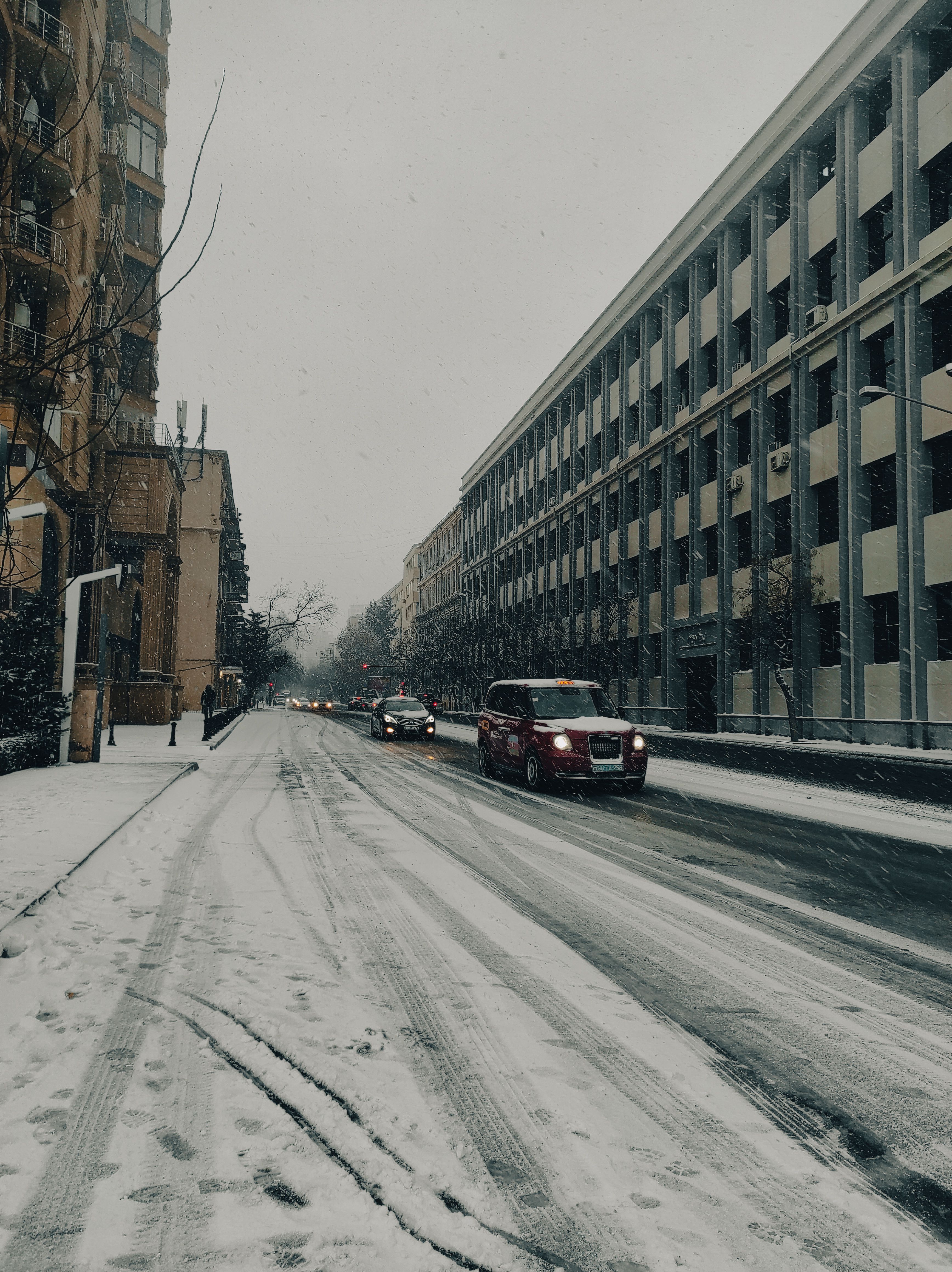
The Impact of Cold Weather on Heart Disease: New Study Insights
Quick read below — save or share if useful.
As winter approaches, many people enjoy the beauty of snow and the holiday spirit that comes with the season. However, recent research sheds light on a concerning link between cold weather and heart disease. A study published in PLOS Global Public Health indicates that colder temperatures may significantly raise the risk of heart disease mortality, emphasizing the importance of understanding how seasonal changes can impact cardiovascular health.
Understanding Ischemic Heart Disease
Ischemic heart disease, also known as coronary artery disease, occurs when narrowed heart arteries reduce blood flow and oxygen supply to the heart muscle. This condition can lead to serious cardiovascular events, including heart attacks. The American Heart Association highlights the profound implications of ischemic heart disease, which remains the leading cause of death in the United States. Recognizing the risks associated with colder temperatures is essential in prioritizing heart health during the winter months.
Research Findings on Cold Temperatures
The comprehensive study analyzed 22 years of data, from 1999 to 2020, revealing that colder temperatures correlate with a higher mortality risk from ischemic heart disease. The highest risk was linked to extremely low temperatures, particularly at -12.8 degrees Fahrenheit. Conversely, warmer temperatures were found to be associated with lower mortality rates, indicating a direct relationship between temperature extremes and heart health outcomes.
Seasonal Factors Influencing Heart Health
Besides temperature, several factors contribute to increased heart disease risk during the colder months. Cold weather can result in constricted arteries, making blood flow more difficult and raising the likelihood of plaque buildup. Furthermore, seasonal lifestyle changes, such as heavier winter diets and reduced physical activity, may adversely affect heart health. Monitoring dietary choices and staying active are crucial strategies for maintaining wellness during winter.
Practical Steps to Protect Heart Health
Given the research findings, it is vital for individuals, especially those at higher risk for heart disease, to take proactive measures during colder months. The following list outlines practical strategies to support heart health in winter:
- Stay warm indoors and outdoors to minimize exposure to cold temperatures.
- Monitor eating habits and aim for a balanced diet, rich in fruits, vegetables, whole grains, and lean proteins.
- Engage in regular physical activity that suits your capability and environment.
- Stay hydrated since proper hydration contributes to overall health.
- Check in on vulnerable family members and neighbors, especially the elderly, to ensure they are safe and warm.
- Consult healthcare professionals for tailored advice regarding cardiovascular health, particularly if pre-existing conditions are present.
FAQ
How does cold weather affect heart health? Cold weather can increase the risk of ischemic heart disease by constricting arteries and complicating blood flow, which elevates the risk of cardiovascular events, particularly in vulnerable populations.
What lifestyle changes can reduce heart disease risk during winter? Maintaining a balanced diet, staying physically active, ensuring warmth, and monitoring hydration are key strategies for reducing heart disease risk during the winter months.
In conclusion, the link between cold weather and increased heart disease death risk underlines the importance of mindfulness during the seasonal shifts. By adopting practical health measures and being aware of the challenges winter presents, individuals can significantly mitigate risks associated with ischemic heart disease. Staying informed and proactive could prove invaluable for protecting cardiovascular health during the colder months.
This article is part of the digital publishing network created by Ciro Irmici. Explore the creator portfolio here: Ciro Irmici Portfolio.
- 𝕏 Twitter: @0_Simone_0
- 🎥 YouTube: Audiobook Free – Author Ciro Irmici
- 📸 Instagram: @spartaco_94_
- 💻 Tech Trends: techtrendspins.blogspot.com
- 💪 Fitness Home Journal: fitnesshomejournal.blogspot.com
- 🐾 Pet Care Inspo: petcareinspo.blogspot.com
- 🌍 Nomad Vibes Board: nomadvibesboard.blogspot.com
- 💰 Crypto Radar Board: cryptoradarboard.blogspot.com
- 🌱 Green Planet Pins: greenplanetpins.blogspot.com
- 🥗 Healthy Eats Board: healthyeatsboard.blogspot.com
Enjoyed this post? Share it or explore more across my blogs and channels.