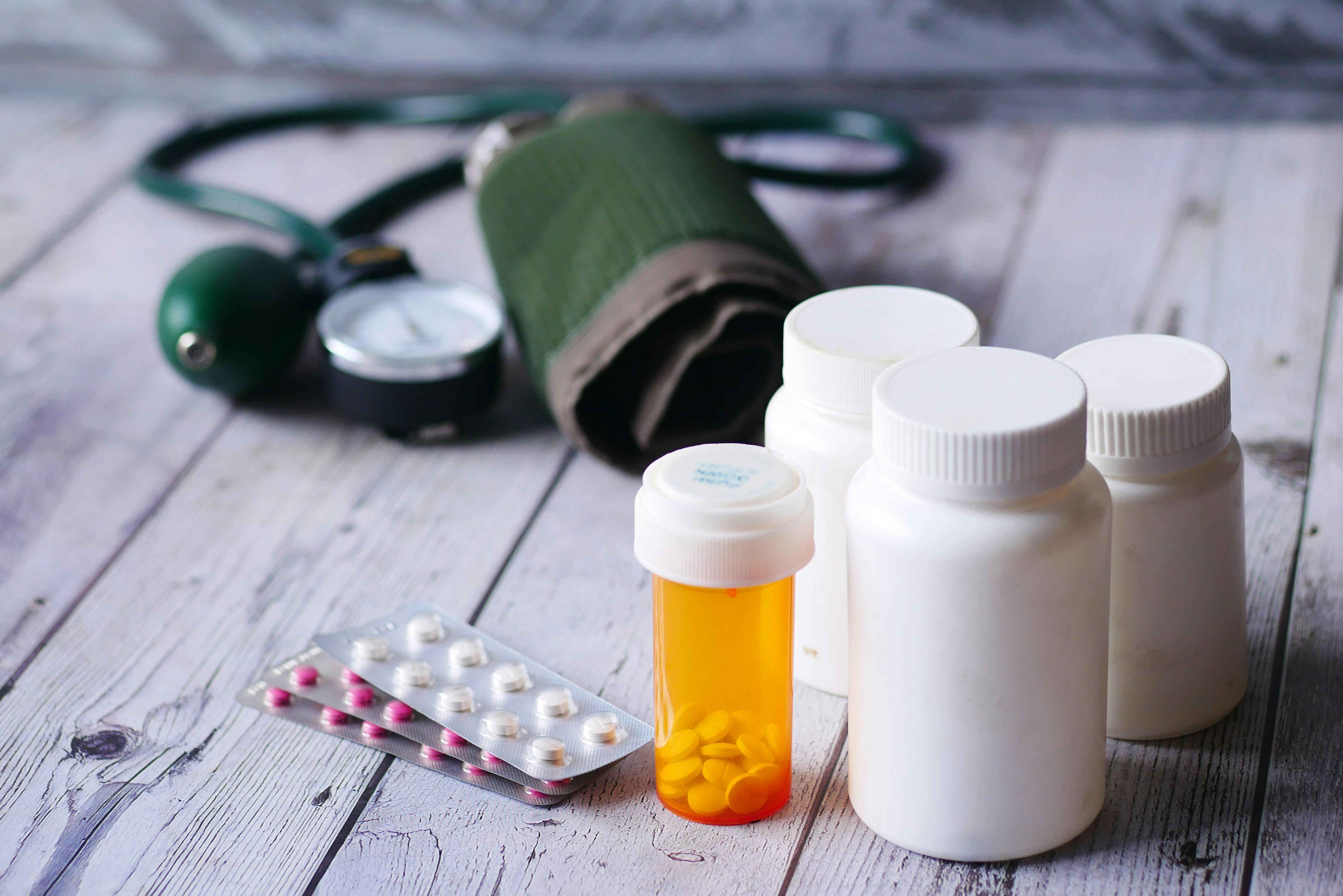
FDA Recalls Over 11,000 Blood Pressure Medications for Efficacy Concerns
Quick read below — save or share if useful.
The recent recall of over 11,000 blood pressure prescriptions raises significant concerns regarding the safety and efficacy of medications prescribed for hypertension. The U.S. Food and Drug Administration (FDA) discovered that thousands of bottles of a widely used blood pressure medication, Chlorthalidone, were being pulled from the market due to inadequate dissolution specifications, which could prevent patients from receiving the correct dosage of active ingredients. This situation highlights the importance of awareness and vigilance regarding the medications we rely on for our health and well-being.
Understanding Blood Pressure Medications
Blood pressure medications, including Chlorthalidone, play a crucial role in managing hypertension, a condition that affects millions of people globally. These medications work by helping to relax blood vessels, eliminate excess fluid, or decrease heart rate, all of which contribute to lowering blood pressure levels. Proper dosage is essential for these drugs to be effective, ensuring they deliver the intended therapeutic benefits.
The Recall Details
As reported by the FDA, the recent recall pertains to 11,460 bottles of Chlorthalidone Tablets, USP, mainly due to "failed dissolution specifications." These specifications are critical as they determine the rate and extent to which the active ingredients dissolve in the body, ultimately affecting drug absorption and effectiveness. The affected dosages include 25-milligram tablets from 100-tablet and 1,000-tablet bottles, with expiration dates set for April 2027. The manufacturer, Inventia Healthcare Limited from India, distributed these medications through Risiong Pharma Holdings, Inc. in New Jersey.
Why the Recall Matters
This recall has implications beyond the immediate safety of the medication. When blood pressure medications fail to produce the correct dosages, patients may not experience the intended effects, which could lead to uncontrolled hypertension. Uncontrolled blood pressure increases the risk of severe health issues such as heart attack, stroke, and kidney damage. Patients using the recalled medication should consult with their healthcare providers for alternative treatments or adjustments to their medication regimen.
What to Do if Affected
If you or someone you know is currently taking Chlorthalidone or has been prescribed a recalled batch, it’s essential to take proactive steps:
- Check your medication to see if it is part of the recall by looking for the specific NDC and batch codes.
- Do not stop taking your medication abruptly without consulting your healthcare professional.
- Contact your physician or pharmacist for personalized advice and possible alternatives.
- Stay informed about recalls and other safety announcements related to your medications.
- Consider regular monitoring of your blood pressure to ensure it remains within a safe range.
FDA’s Role in Medication Safety
The FDA plays a critical role in ensuring the safety and efficacy of medications through rigorous testing and surveillance. Regular recalls illustrate the agency's commitment to protecting public health. While most medications are safe, occasional recalls remind patients and healthcare providers of the importance of scrutinizing medications and being aware of safety advisories regarding their use.
FAQ
What should I do if I have taken a recalled blood pressure medication? If you've taken the recalled Chlorthalidone tablets, it's important to contact your healthcare provider immediately to discuss your situation and explore alternative options.
How can I stay updated on medication recalls? You can subscribe to news alerts from the FDA or healthcare news outlets for the latest updates on medication safety and recalls.
In conclusion, remaining informed about medication recalls, especially concerning critical health conditions like hypertension, is crucial. This particular recall of over 11,000 blood pressure prescriptions emphasizes the need to communicate openly with healthcare professionals about any concerns regarding prescribed medications. Your health depends on both the effectiveness of the medication and the vigilance you practice in monitoring its safety.
This article is part of the digital publishing network created by Ciro Irmici. Explore the creator portfolio here: Ciro Irmici Portfolio.
- 𝕏 Twitter: @0_Simone_0
- 🎥 YouTube: Audiobook Free – Author Ciro Irmici
- 📸 Instagram: @spartaco_94_
- 💻 Tech Trends: techtrendspins.blogspot.com
- 💪 Fitness Home Journal: fitnesshomejournal.blogspot.com
- 🐾 Pet Care Inspo: petcareinspo.blogspot.com
- 🌍 Nomad Vibes Board: nomadvibesboard.blogspot.com
- 💰 Crypto Radar Board: cryptoradarboard.blogspot.com
- 🌱 Green Planet Pins: greenplanetpins.blogspot.com
- 🥗 Healthy Eats Board: healthyeatsboard.blogspot.com
Enjoyed this post? Share it or explore more across my blogs and channels.