Eating for Liver Health: How Gut Microbes Impact Your Well-Being
Quick read below — save or share if useful.
When considering our overall health, the relationship between gut and liver health is increasingly gaining attention. Recent research underscores the importance of what we eat, revealing that the bacteria residing in our gut can significantly influence liver function. As such, understanding the connection between our diet and these critical organs can empower individuals to make informed choices for better health.
The Gut-Liver Axis Explained
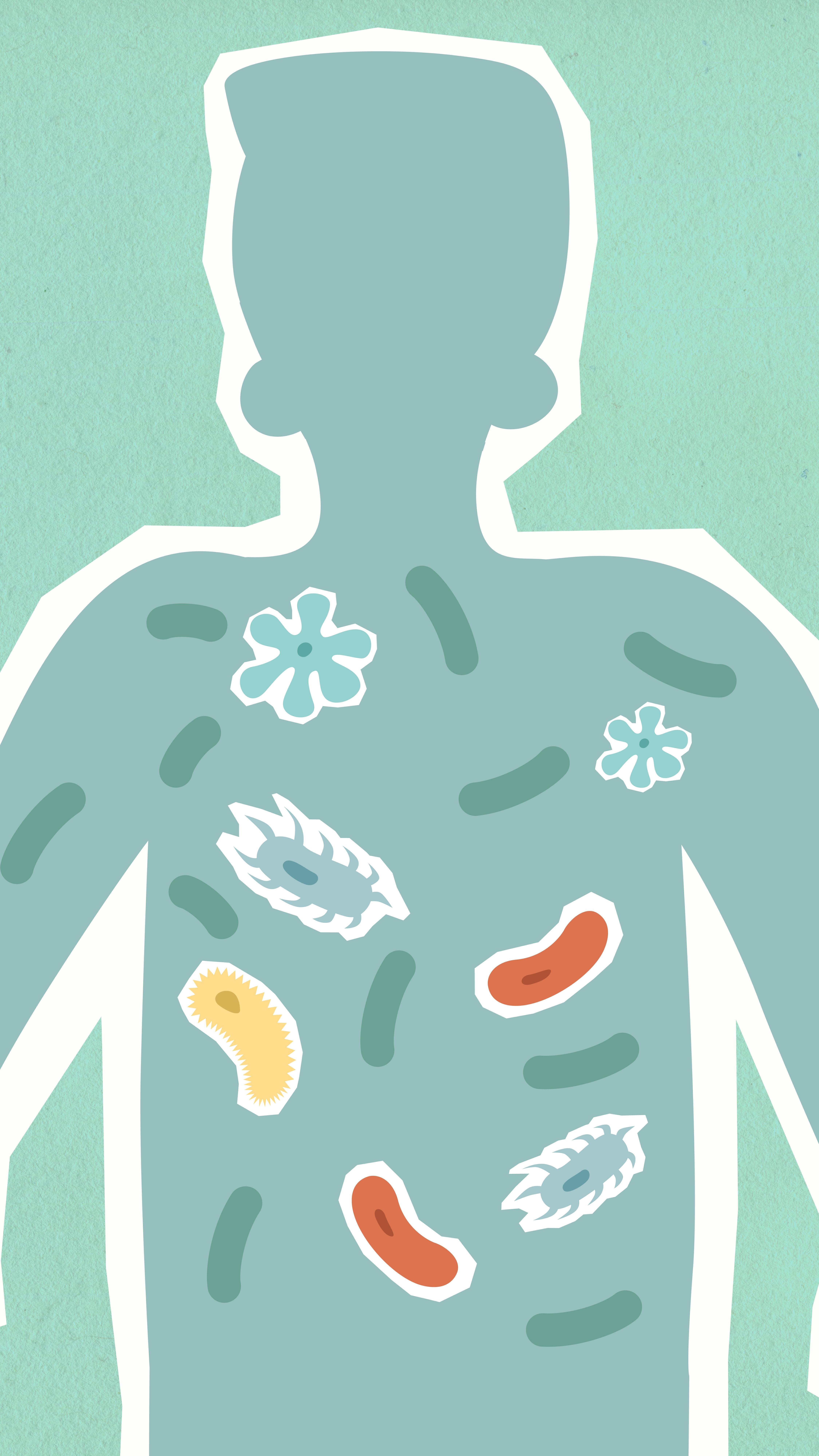
The gut-liver axis refers to the intricate communication pathway between our digestive system and the liver. This relationship is facilitated by microbial metabolites—byproducts produced by gut bacteria—that can travel to the liver and affect gene expression. When gut microbes metabolize nutrients, they generate these metabolites, which can send chemical signals influencing liver function. This discovery opens up a new perspective on maintaining liver health, highlighting that diet plays a vital role, not just alcohol consumption as commonly thought.
Significance of Gut Microbiota
The latest findings from a comprehensive study highlight the function of specific bacteria within the gut, particularly those from the Firmicutes group. These bacteria are known to produce metabolites that can influence the liver at a genetic level. For instance, certain compounds derived from amino acids, such as tryptophan, have been shown to effectively activate genes associated with liver health. This revelation emphasizes the need to maintain a diverse and balanced microbiome through our dietary choices.
Building a Healthy, Diverse Gut Microbiome
To foster a well-balanced gut microbiome, individuals should consider incorporating a variety of foods that promote gut health. Prebiotic foods, which contain non-digestible fibers, can nourish beneficial gut bacteria. Examples include:
- Fruits such as bananas, apples, and berries
- Vegetables like garlic, onions, and asparagus
- Whole grains such as oats, barley, and quinoa
- Legumes and pulses, including lentils and chickpeas
In addition to prebiotics, probiotics—like the ones found in yogurt and fermented foods like sauerkraut—can also enhance gut health. These foods help introduce beneficial bacteria into the gut, further supporting the microbiome.
Foods to Avoid for Optimal Gut Health
While knowing which foods to include is important, understanding what to limit or avoid is equally vital. Regular consumption of processed foods, fried foods, and high quantities of meat can disrupt gut bacteria and hinder the production of metabolites that promote liver health. Furthermore, excessive alcohol consumption is detrimental not only to the liver but can also affect the gut microbiome.
Practical Tips for Supporting Liver Health
Transforming your diet towards fostering both gut and liver health doesn’t necessitate drastic changes overnight. Here are actionable insights to consider:
- Integrate more fiber-rich fruits, vegetables, and whole grains into meals.
- Choose low-sugar options for yogurt and incorporate more fermented foods.
- Limit intake of processed, fried, and high-fat meats.
- Monitor alcohol consumption and prioritize moderation.
- Stay hydrated and consider herbal teas that can support liver function.
FAQ
What role does diet play in liver health? Diet is crucial as certain foods can promote a healthy gut microbiome, which subsequently impacts liver function through microbial metabolites.
Can I strengthen my gut microbiome with supplements? While probiotics from supplements can help, getting nutrients directly from foods is generally the best approach for a healthy gut.
In conclusion, the connection between gut and liver health illustrates the profound impact of our dietary choices. By prioritizing a diverse and balanced diet, we can support our gut microbiota, which in turn, plays a crucial role in maintaining optimal liver function. Making informed and practical food choices can lead to better overall wellness and enhance health outcomes.
This article is part of the digital publishing network created by Ciro Irmici. Explore the creator portfolio here: Ciro Irmici Portfolio.
- 𝕏 Twitter: @0_Simone_0
- 🎥 YouTube: Audiobook Free – Author Ciro Irmici
- 📸 Instagram: @spartaco_94_
- 💻 Tech Trends: techtrendspins.blogspot.com
- 💪 Fitness Home Journal: fitnesshomejournal.blogspot.com
- 🐾 Pet Care Inspo: petcareinspo.blogspot.com
- 🌍 Nomad Vibes Board: nomadvibesboard.blogspot.com
- 💰 Crypto Radar Board: cryptoradarboard.blogspot.com
- 🌱 Green Planet Pins: greenplanetpins.blogspot.com
- 🥗 Healthy Eats Board: healthyeatsboard.blogspot.com
Enjoyed this post? Share it or explore more across my blogs and channels.