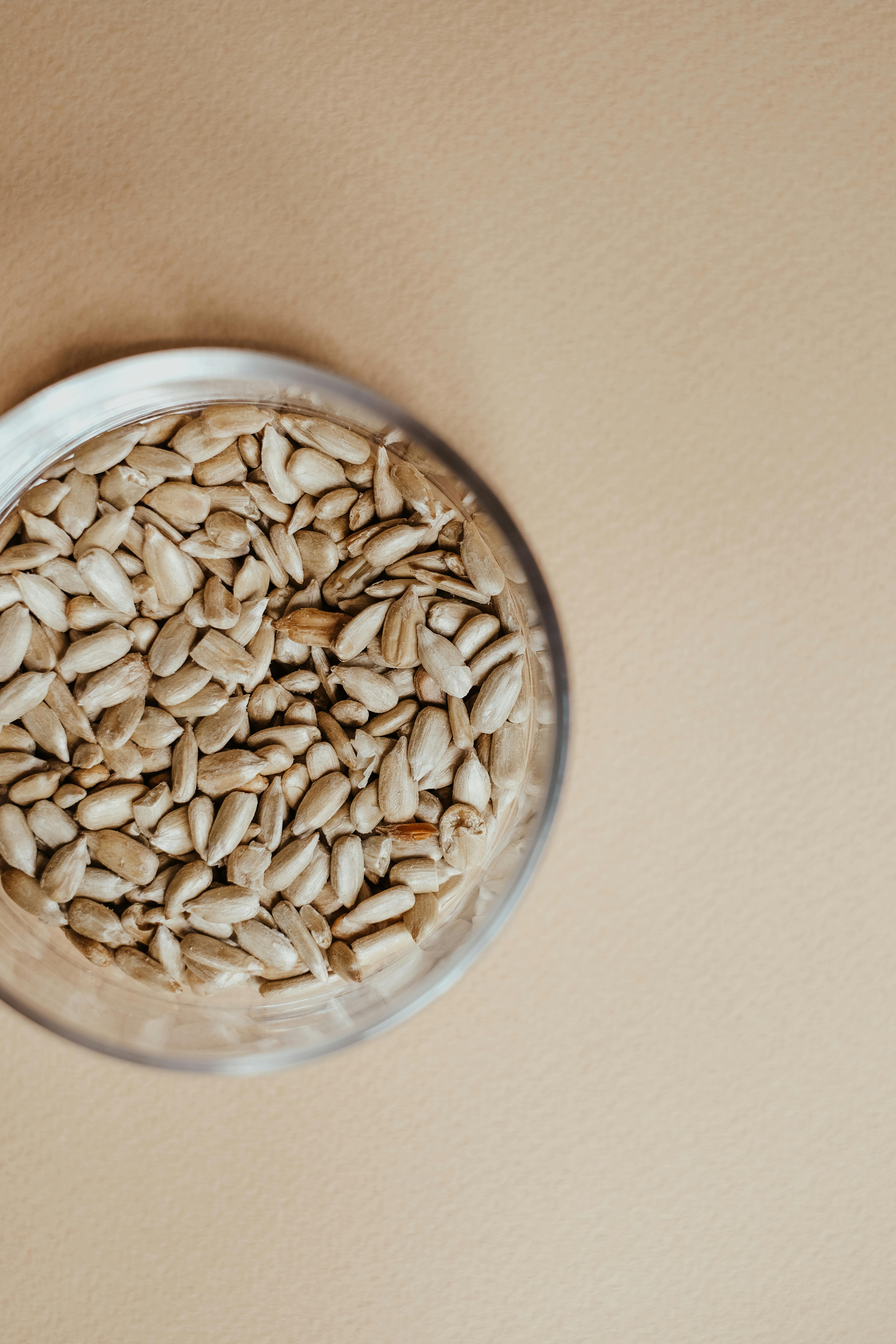
Sunflower Seed Recall: 13,000 Pounds Affected by Allergen Risk in 23 States
Quick read below — save or share if useful.
Recently, the recalls of sunflower seeds have raised significant awareness among consumers, highlighting the importance of ingredient transparency in food products. The U.S. Food and Drug Administration (FDA) along with Walmart announced a voluntary recall of over 13,000 pounds of sunflower seeds from George J. Howe Co. due to potential contamination with undeclared tree nut allergens, specifically cashews. This situation serves as a crucial reminder about the need for vigilance in food safety and understanding the implications of allergens in our diets.
The Recall Details
The affected sunflower seeds were sold in various packaging options, including plastic stand-up pouches and plastic tubs. The recalled products include:
- Plastic Stand-Up Pouch Container, 11 oz, Blue with SUNFLOWER SEEDS brand name, “Fresh Roasted Sunflower Seeds, Lightly Salted”, UPC of 073171003163, Best By Expiration Dates of 08/28/2026, 09/18/2026, 10/01/2026, 10/09/2026, 11/18/2026, and 12/12/2026
- Plastic Stand-Up Pouch Container, 11 oz, Blue with SUNFLOWER SEEDS brand name, “Fresh Roasted Sunflower Seeds, No Salt”, UPC of 073171003200, Best By Expiration Dates of 09/24/2026, 10/30/2026, 11/18/2026, and 12/11/2026
- Plastic Tub, 9.5 oz, Gold Label with Sunflower Seeds brand name, “Sunflower Seeds, roasted and salted.”, UPC of 073171027015, Best By Expiration Dates of 7/22/2026 and 09/05/2026
This recall affects several states, totaling 23 across the U.S., including Alabama, Florida, and Michigan, among others. Although no illnesses have been reported so far, it is essential for customers to be aware of this recall to prevent any allergic reactions.
Understanding Allergens in Food
Allergens can pose significant health risks to individuals who are sensitive or allergic to certain ingredients. Tree nuts, like cashews, are among the most common allergens and can cause adverse reactions, ranging from mild symptoms to severe complications. In this case, the sunflower seeds were packaged in a facility that processes a variety of allergens, which underscores the importance of proper labeling.
The FDA emphasizes that proper food labeling is vital for consumer safety, allowing those with allergies to make informed food choices. This incident brings to light the critical nature of double-checking packaging and ingredient lists, especially for individuals with known allergies.
How to Stay Safe: Practical Tips
To ensure your safety when consuming snacks and other food products, consider the following practical takeaways:
- Always read product labels carefully, especially for packaged foods.
- Be aware of cross-contamination issues; products made in shared facilities may pose a risk.
- Stay updated on recalls through reputable resources such as the FDA or your local food safety authority.
- Consult with a healthcare professional if you are unsure about any food allergies.
- Consider keeping a list of safe foods at home to help with meal planning.
What to Do If You Have the Recalled Product
If you purchased any of the recalled sunflower seeds, the producer suggests checking the UPC and expiration dates. It is advised not to consume the products and to dispose of them properly. Consumers can also contact the company for further instructions or if they have questions regarding the recall.
FAQ
What allergens were found in the recalled sunflower seeds? The recalled sunflower seeds may contain undeclared tree nut allergens, specifically cashews.
Where were these sunflower seeds sold? The affected sunflower seeds were distributed to many retail grocery chains, foodservice accounts, and independent grocers across 23 states.
In conclusion, the recent sunflower seed recall serves as an important alert regarding food safety and allergen awareness. It highlights the crucial need for transparency in food labeling and the responsibility of both producers and consumers to stay vigilant in safeguarding public health. By staying informed and cautious, individuals can make safer food choices and nurture good health.
This article is part of the digital publishing network created by Ciro Irmici. Explore the creator portfolio here: Ciro Irmici Portfolio.
- 𝕏 Twitter: @0_Simone_0
- 🎥 YouTube: Audiobook Free – Author Ciro Irmici
- 📸 Instagram: @spartaco_94_
- 💻 Tech Trends: techtrendspins.blogspot.com
- 💪 Fitness Home Journal: fitnesshomejournal.blogspot.com
- 🐾 Pet Care Inspo: petcareinspo.blogspot.com
- 🌍 Nomad Vibes Board: nomadvibesboard.blogspot.com
- 💰 Crypto Radar Board: cryptoradarboard.blogspot.com
- 🌱 Green Planet Pins: greenplanetpins.blogspot.com
- 🥗 Healthy Eats Board: healthyeatsboard.blogspot.com
Enjoyed this post? Share it or explore more across my blogs and channels.