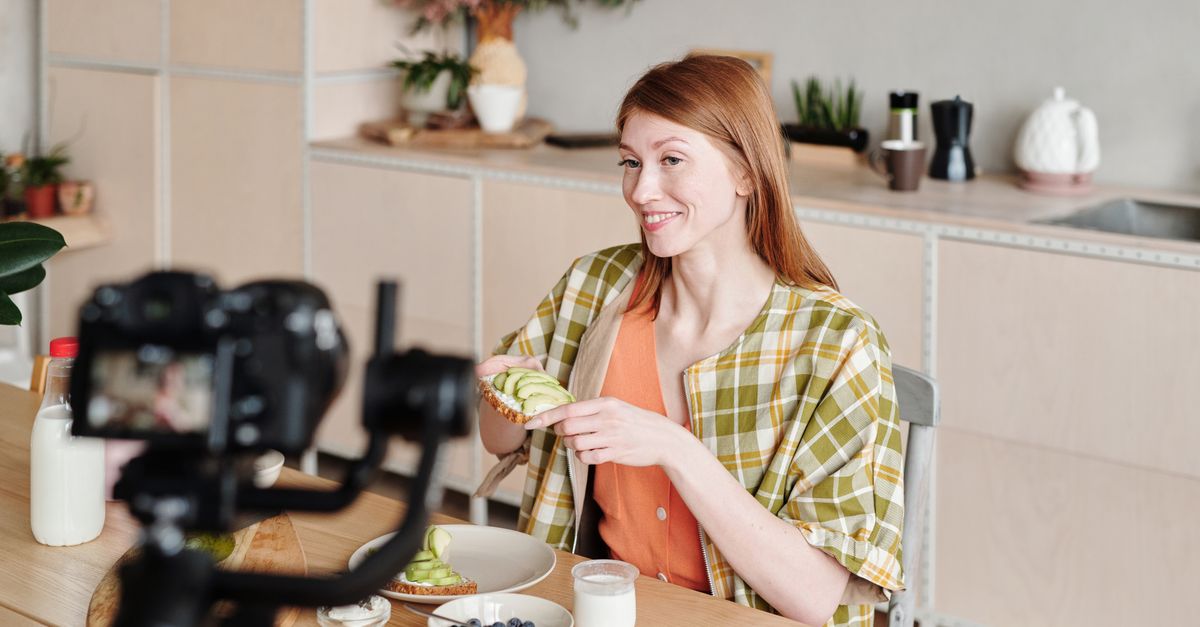
Almost 70% of health content on popular social media platforms like TikTok and Instagram may be misleading or even deceptive, according to a recent study from Flinders University in Australia. This finding matters deeply for anyone seeking trustworthy nutrition advice or guidance on balanced eating, as social media has become a primary source of wellness information for many, especially younger adults. With the vast majority of health-related posts created by unqualified influencers, consumers face a growing challenge in discerning fact from fiction amid the flood of digital content.
Why this matters
Nutrition and wellness information found online can influence everyday food choices, dieting behaviors, and attitudes toward body image. When health advice is inaccurate or misleading, it increases the risk of poor nutrition, disordered eating, or misunderstandings about what balanced eating truly entails. For example, some social media content promotes “clean eating” in ways that encourage rigid diet rules or label foods as “good” or “bad,” potentially contributing to unhealthy obsessions or even eating disorders such as orthorexia nervosa. As consumers rely more on social media influencers rather than qualified experts, the potential for confusion and harm rises.
For food safety and balanced eating, this means that people could be excluding important food groups unnecessarily or adopting unsustainable meal plans without realizing the implications. The widespread availability of such content also complicates the work of nutrition professionals who strive to provide evidence-based guidance tailored to individual needs.
What is happening
Researchers from Flinders University analyzed 300 health-related videos posted on TikTok and Instagram under hashtags like #healthylifestyle, #nutrition, and #cleaneating. They reviewed the first 50 videos per hashtag on each platform, assessing the accuracy of health information and the qualifications of content creators. Shockingly, they found that 68% of the videos contained misleading or deceitful material, and nearly 78% of the creators were unqualified according to publicly visible credentials.
This study also highlighted that very little accurate content comes from unqualified influencers—only about 4.7% of their posts were deemed accurate—compared to 45.5% accuracy from creators with verified qualifications in health, fitness, or nutrition. The content often promoted orthorexia-related behaviors such as linking food intake directly to physical appearance (“What I ate to grow my glutes in three months”) or encouraging a one-size-fits-all fitness approach without considering individual differences.
Other common issues included body objectification, especially on Instagram, with a focus on specific body parts instead of overall health. Exercise was sometimes presented as compensation for what people ate, with exercise volumes exceeding recommended guidelines. These patterns contribute to an unhealthy relationship with food and body image.
What readers can take away
- Be cautious about health and nutrition advice from social media, especially from creators without identifiable qualifications.
- Look for content produced by professionals with verifiable certifications in nutrition, dietetics, or related health fields.
- Recognize that strict labels like “clean eating” or “good” versus “bad” foods can sometimes be signs of unhelpful or rigid dietary messaging.
- Understand that individual nutritional needs vary, and what works for one person might not suit another’s genetics, lifestyle, or health status.
- If you feel overwhelmed or confused by conflicting information, consult a registered dietitian or healthcare provider for personalized advice.
What to watch next
The study’s authors suggest that increasing the visibility of qualified health professionals on social media could help consumers access more reliable, science-based information. As platforms contend with misinformation, upcoming measures might include better content moderation, verification systems for health creators, or collaboration with experts to present evidence-based messaging. Watching how social media networks respond to calls for accountability in health communications will be key for users relying on these sources for wellness guidance.
FAQ
How can I tell if a social media health creator is qualified?
Look for clear evidence of professional qualifications, such as certifications or degrees in nutrition, dietetics, medicine, or fitness. Check their biography or linked profiles like LinkedIn for official credentials. Verified accounts of registered dietitians or licensed professionals are more trustworthy sources of health advice.
Is “clean eating” always a good approach to nutrition?
“Clean eating” can mean different things to different people, but rigid interpretations—such as categorizing foods strictly as “good” or “bad”—may promote unhealthy attitudes and behaviors. Balanced nutrition focuses on variety and moderation, rather than overly restrictive rules. Individuals should consider their unique needs and avoid extreme dieting that could lead to nutritional deficiencies or stress.
Why is social media health content often misleading?
Many social media creators prioritize engagement and popularity, which can lead to oversimplified, exaggerated, or unsupported claims. Without formal training, some influencers may spread misinformation unintentionally. Additionally, the platforms’ algorithms can amplify sensational content over evidence-based advice, contributing to the spread of misleading information.
This article is informational only and is not medical advice. Original source: read more here.
- 𝕏 Twitter: @0_Simone_0
- 🎥 YouTube: Audiobook Free – Author Ciro Irmici
- 📸 Instagram: @spartaco_94_
- 💻 Tech Trends: techtrendspins.blogspot.com
- 💪 Fitness Home Journal: fitnesshomejournal.blogspot.com
- 🐾 Pet Care Inspo: petcareinspo.blogspot.com
- 🌍 Nomad Vibes Board: nomadvibesboard.blogspot.com
- 💰 Crypto Radar Board: cryptoradarboard.blogspot.com
- 🌱 Green Planet Pins: greenplanetpins.blogspot.com
- 🥗 Healthy Eats Board: healthyeatsboard.blogspot.com
Enjoyed this post? Share it or explore more across my blogs and channels.