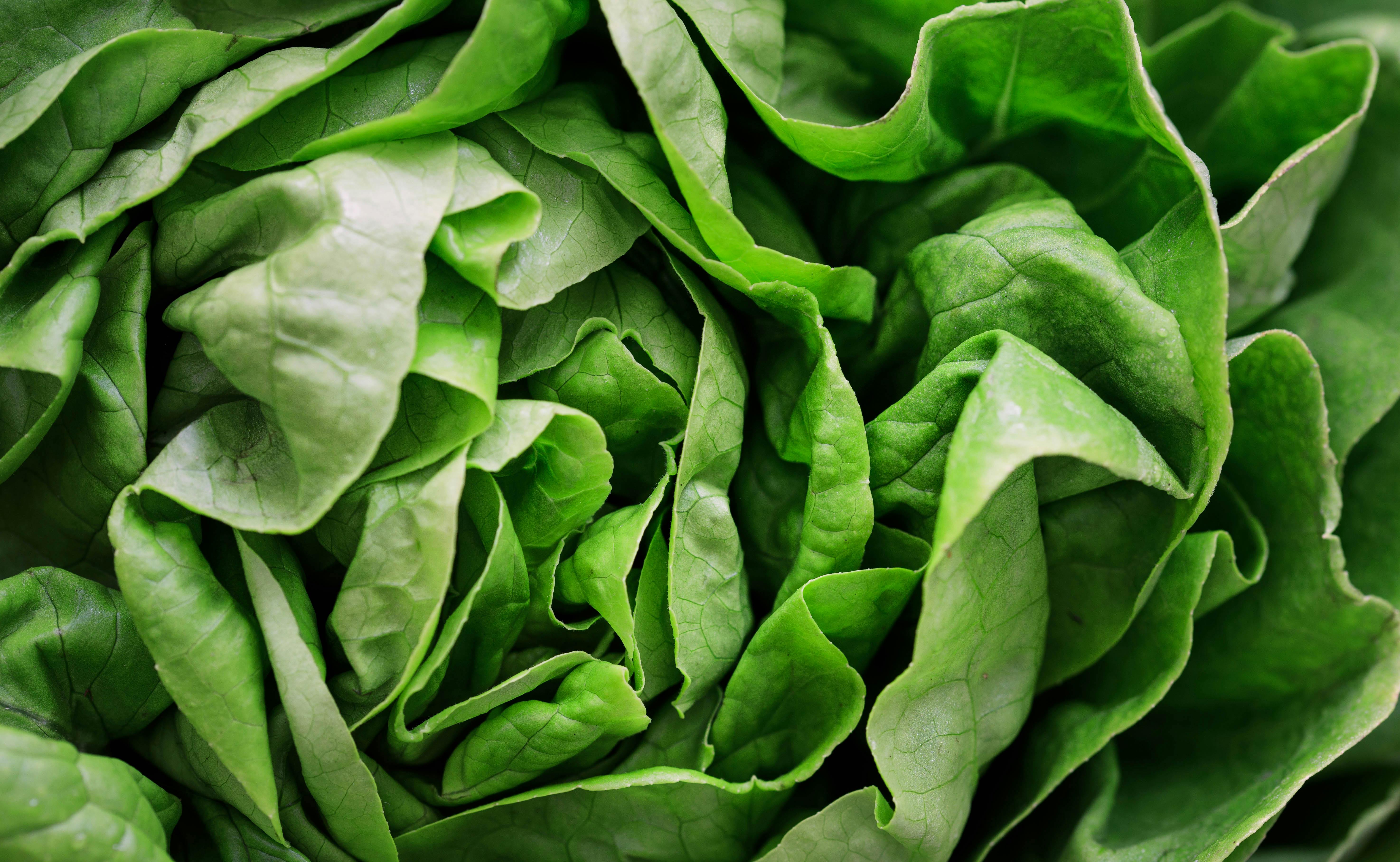
How to Safely Enjoy Leafy Greens Amid Recent E. Coli Concerns
Quick read below — save or share if useful.
How can you safely enjoy leafy greens amid recent concerns over E. coli contamination? It's a question many health-conscious eaters are asking, especially in light of the recent recall of alfalfa sprouts linked to foodborne illness outbreaks. While leafy greens are known for their nutritional benefits, including vitamins and antioxidants, they can also carry potential health risks if not handled and consumed properly. Here, we'll explore how to make safe choices when incorporating leafy greens, like alfalfa sprouts, into your diet.
Understanding Leafy Greens
Leafy greens are a staple in many diets around the world due to their health benefits. These include not only vitamins A, C, and K, but also essential minerals like iron and calcium. They are often very versatile and can be used in salads, sandwiches, smoothies, and cooked dishes. However, their popularity also makes them susceptible to contamination by harmful bacteria such as Escherichia coli and Salmonella.
The Risks of Contamination
Foodborne illnesses associated with leafy greens have been a persistent concern. Conditions that favor the growth of these pathogens, such as warm and humid environments, are common while cultivating sprouts. Alfalfa sprouts, in particular, have been noted in multiple recalls due to E. coli outbreaks. The Centers for Disease Control and Prevention (CDC) has reported various foodborne illnesses from contaminated sprouts, emphasizing the importance of food safety in handling and preparing these products.
Identifying Safe Leafy Greens
Consumers should be aware of how to identify safe products while shopping for leafy greens. When purchasing sprouts or other leafy vegetables, keep an eye out for:
- Clear labeling with harvest dates
- Signs of freshness: avoid any wilting or discoloration
- Properly stored items in refrigerated areas
- Brands with a good safety record or those that provide traceability information
It's advisable to avoid buying sprouts from vendors with past recalls or complaints related to safety. Always check for recent news about the products you frequently consume, as ongoing investigations can lead to additional recalls.
Safe Handling Practices
Certain practices can mitigate the risks associated with leafy greens, ensuring that you enjoy their benefits without compromising your health:
- Wash your hands before handling any food.
- Rinse leafy greens thoroughly under cold running water—even pre-washed products require this.
- Store sprouts and greens in the refrigerator to maintain freshness.
- Utilize separate cutting boards for vegetables and proteins to avoid cross-contamination.
- Avoid consuming raw sprouts if you belong to vulnerable populations, such as the elderly, pregnant women, and those with weakened immune systems.
Cooking as a Safety Measure
While many enjoy the crisp texture of raw leafy greens in salads, cooking them is an effective way to eliminate harmful bacteria. Cooking can kill pathogens like E. coli and Salmonella that might be present on raw vegetables. Consider sautéing or steaming leafy greens before consumption, as this method retains most of their beneficial nutrients while enhancing their safety.
FAQ
Can I eat sprouts if I have concerns about contamination? It’s wise to assess the risks. If you are in a higher-risk group or feel uncertain, cooking sprouts can significantly lower the potential for illness.
How can I tell if leafy greens are still fresh? Look for vibrant color, firmness, and an absence of sliminess or unpleasant odors. Freshness can also depend on storage conditions—check to make sure they are cold and properly packaged.
In conclusion, while leafy greens offer numerous health benefits, the potential for foodborne illness is a significant factor to consider. By being mindful of safe handling practices, staying informed about product recalls, and incorporating cooking methods, you can enjoy leafy greens more securely. As the food industry continues to respond to safety concerns, maintaining awareness will help you make informed choices for your health and wellness.
Written and edited by Ciro Simone Irmici. More about who writes here: About the author.
- 𝕏 Twitter: @0_Simone_0
- 🎥 YouTube: Audiobook Free – Author Ciro Irmici
- 📸 Instagram: @spartaco_94_
- 💻 Tech Trends: techtrendspins.blogspot.com
- 💪 Fitness Home Journal: fitnesshomejournal.blogspot.com
- 🐾 Pet Care Inspo: petcareinspo.blogspot.com
- 🌍 Nomad Vibes Board: nomadvibesboard.blogspot.com
- 💰 Crypto Radar Board: cryptoradarboard.blogspot.com
- 🌱 Green Planet Pins: greenplanetpins.blogspot.com
- 🥗 Healthy Eats Board: healthyeatsboard.blogspot.com
Enjoyed this post? Share it or explore more across my blogs and channels.