The Best Exercise for Aging Joints You Need to Try

The Best Exercise for Aging Joints You Need to Try

The Best Exercise for Aging Joints You Need to Try

Quick read below — save or share if useful.

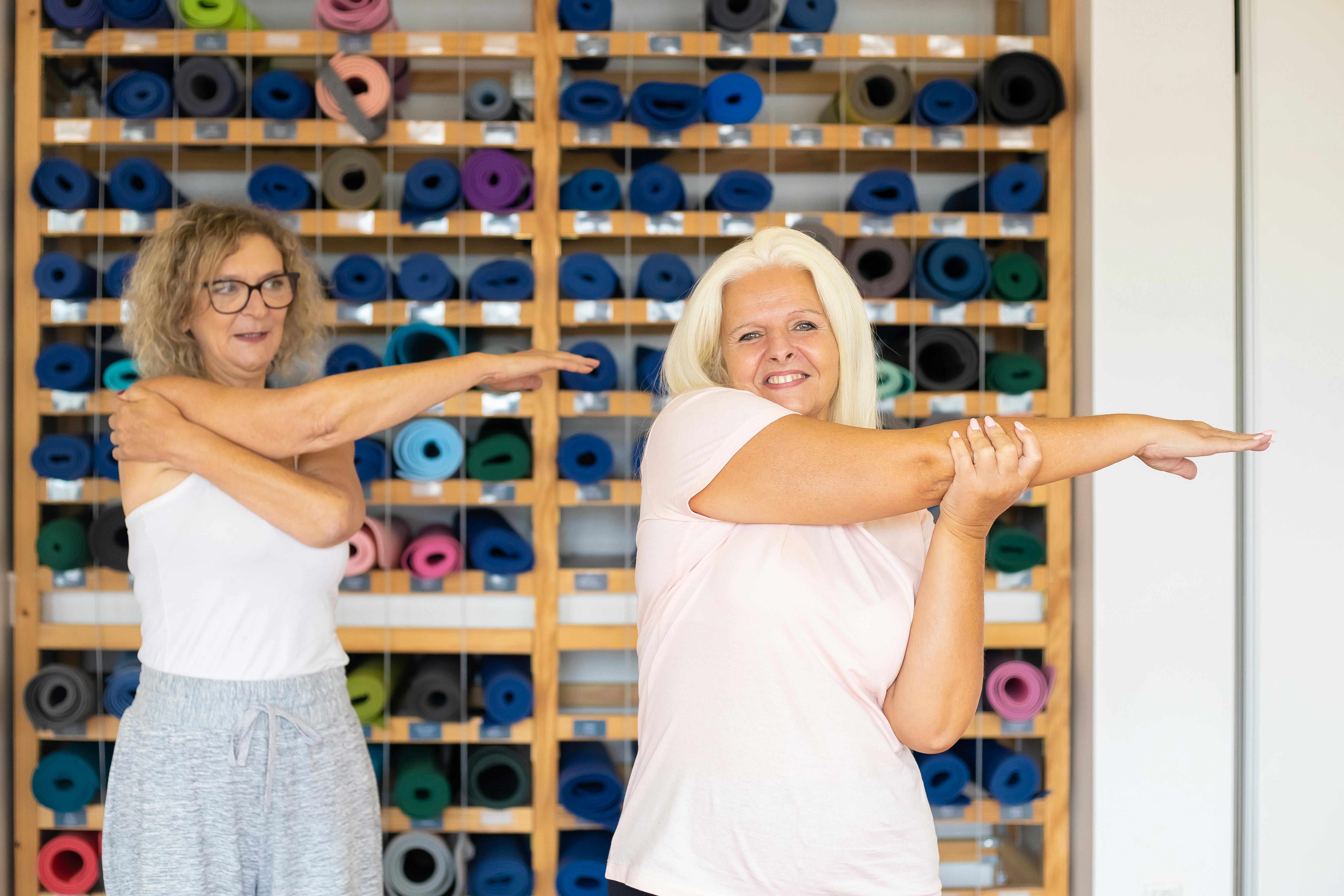
We all experience it at some point in our lives—stiff knees, sore hips, and shoulders that just don't move like they used to. Joint discomfort can creep in over time, making it challenging to know how to address it. Stretch more? Lift weights? Rest and hope for the best? While our joints naturally undergo age-related changes, experts assure us that stiffness doesn't have to be a inevitable part of aging. We consulted with physical therapists, orthopedic surgeons, and movement specialists to gather their top advice for maintaining healthy aging joints—and they all pointed to the same key strategy. About the Experts First, let's introduce our group of experts who shared their insights on joint health. Dr. Gbolahan Okubadejo is a board-certified spinal and orthopedic surgeon based in New York and New Jersey. Dr. Shane Davis specializes in sports medicine and serves as a physician at Tufts Medical Center. Margaret Danilovich is a doctor of physical therapy and clinical researcher with a background in reducing frailty in older adults. Lindy Royer is a physical therapist, Balanced Body Pilates educator, and certified trainer from Denver, Colorado. Christiane Figura is a certified trainer with over 20 years of experience and is the founder of NIM (Natural Intelligent Movement) Academy. Finally, Dr. Mikel Daniels is a board-certified podiatrist and the president of WeTreatFeet Podiatry in Baltimore. The No. 1 Exercise for Aging Joints According to our experts, the best way to keep your joints healthy as you age is to practice functional movement. This type of movement includes natural, everyday movement patterns that encourage your joints to move as they're designed to. Dr. Okubadejo emphasizes that joints are meant to glide and stay nourished with use. On the other hand, lack of movement can cause joints to stiffen up over time due to decreased synovial fluid, loss of elasticity in ligaments and tendons, and breakdown of cartilage. Functional movement can counteract these changes by increasing blood flow, maintaining a natural range of motion, strengthening stabilizing muscles, and preventing cartilage deterioration. Essentially, functional movement keeps your joints healthy and resilient, promoting overall joint health and mobility. Practical Strategies for Functional Movement So, what exactly does functional movement entail? Our experts share their go-to exercises to strengthen and protect your joints. Daily walking is an excellent example of functional movement that keeps supporting muscles strong, maintains cartilage nutrition, and prevents stiffness from prolonged sitting. Dr. Danilovich highlights the importance of walking at a challenging pace to improve physical function, even for those with frailty. Incorporating compound movements into your daily routine is also crucial for promoting joint health. Compound movements mimic functional, everyday activities and enhance strength, mobility, balance, and coordination. Simple activities like sitting and standing up from a chair, reaching overhead, doing wall pushups, or walking in a lunge pattern can help promote joint health and functionality. Additionally, relearning deep squats and practicing sitting down and standing up from the floor can restore lost biomechanics and improve overall movement systems. This movement combines strength, mobility, coordination, and balance, reducing the risk of falls and maintaining independence as you age. Adding gentle strength training to your routine can also benefit joint health by gently loading your joints as they move through their full range. Dr. Daniels emphasizes that regular muscle use acts as shock absorbers for your joints, stabilizing movement and reducing pressure on cartilage. Embracing a Full Range of Motion Lastly, practicing your full range of motion through gentle mobility exercises can help joints move more freely and easily. Dr. Daniels recommends daily joint hygiene rituals, such as gentle lunges, deep squats, cat-cow yoga poses, arm circles, and hip circles, to maintain joint flexibility and reduce the risk of compensation-related pain. Is it Ever Too Late to Improve Joint Health? While some individuals with stiffer, more painful joints may need to ease into exercises more gradually, it's never too late to start improving joint health. Exercise can always benefit joint health, and the benefits accumulate over time, regardless of when you start. Experts recommend at least 150 minutes of moderate activity per week, along with strength training, to promote better joint health and reduce the risk of arthritis-related disability. In conclusion, taking care of your joints through functional movement is essential for maintaining healthy aging joints. Incorporating daily walking, compound movements, deep squats, gentle strength training, and full range of motion exercises into your routine can help support joint health and mobility as you age. Remember, the key to healthy aging joints is consistency—small, regular movements beat sporadic intense workouts every time. For more tips on daily wellness, subscribe to The Healthy newsletter and follow The Healthy on Facebook and Instagram. Remember, it's never too late to start caring for your joints and promoting overall joint health—it's all about moving in ways that support your body's natural functions and movements.

Follow & Connect
Explore My Other Blogs

Enjoyed this post? Share it or explore more across my blogs and channels.

Comments