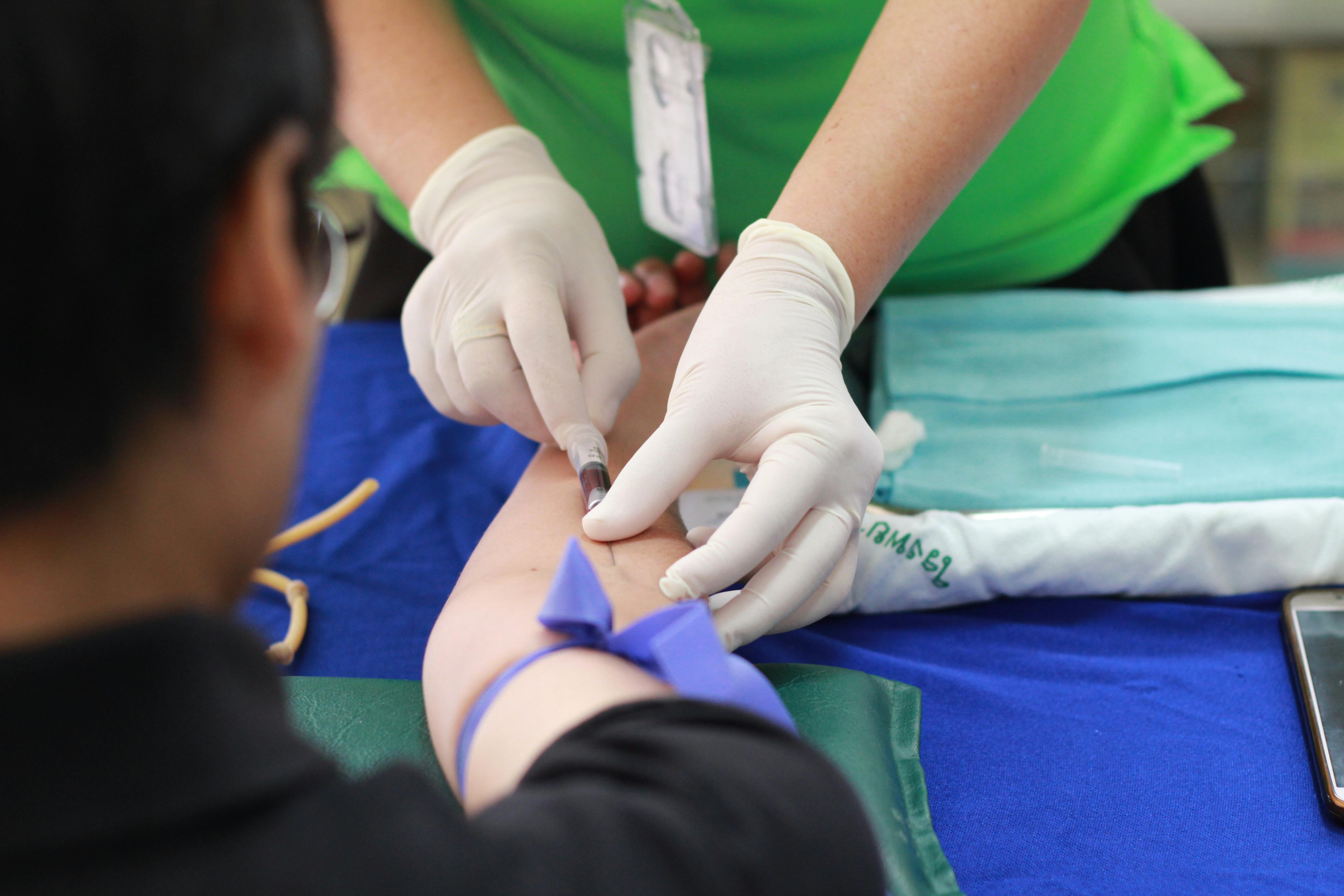
"Optimal September-October Timing for Flu Shot: Expert Doctor's Advice"

"Optimal September-October Timing for Flu Shot: Expert Doctor's Advice"

About the expert

  • Linda Yancey, MD, is a board-certified physician in infectious disease and internal medicine with over two decades of experience practicing in Texas. She completed her residency at Mayo Clinic in Scottsdale, Arizona, and pursued a fellowship at Baylor College of Medicine in Houston. Currently, Dr. Yancey serves as an infectious disease specialist at Memorial Hermann Hospital in Houston.

Highlights

  • An infectious disease expert say there’s an ideal time to roll up your sleeve for the flu shot.
  • When you get vaccinated affects how well you’re protected.
  • That said, it’s never too late to get your flu shot—and other key vaccines can help keep you healthy all winter long.

When fall rolls around, so does flu season—and that means it’s time to ascertain the best time for you to get a flu shot. Most of us wonder: is it better to go early in the season, or wait so that the protection lasts through spring?

Linda Yancey, MD, a board-certified infectious disease doctor at Memorial Hermann Katy Hospital in Texas, says there is an ideal time to get your flu shot—and choosing the right month can make a big difference in how well you’re protected.

Ahead, Dr. Yancey explains the best month to get the flu shot, who should get it, and why it’s never too late to protect yourself.

The best months to get a flu shot, this infectious disease doctor says

According to Dr. Yancey, the best month to get the flu shot is September or October. Flu season typically runs from October through March, but the timing of peak activity can vary from year to year. “We never know when in that interval we will get the yearly peak,” she says. “Some years we have an early peak in late October. Other years we get a spring peak in March.”

Because flu patterns are unpredictable, Dr. Yancey recommends getting vaccinated early in the fall instead of waiting until cases begin to rise. Doing so allows your body enough time to build immunity and ensures you’re protected before the virus begins spreading widely.

Why timing matters

The timing of your flu shot matters because your body needs time to develop antibodies after vaccination. Those antibodies help protect you from infection if you’re exposed to the virus later in the season.

“Getting the flu shot too late in the season [after October] leaves you vulnerable if we have an early peak,” says Dr. Yancey. “It takes two weeks after the shot to get full protection.”

On the other hand, getting vaccinated too early can mean your immunity fades before the season ends. Many pharmacies begin offering the flu shot as early as mid-August, but that may not provide lasting protection through March. Dr. Yancey says someone who gets their vaccine in August or even July might talk with their doctor to see whether it’s reasonable to get another flu shot at the start of the new year, such as January or February, to help strengthen your immunity if flu cases remain high later in the season.

Who should get the flu shot?

The American Academy of Pediatrics (AAP) recommends that everyone aged six months and older get a flu shot every year, unless otherwise directed by their healthcare provider. Annual vaccination is especially important for those at higher risk of serious flu-related complications. This includes:

  • Adults 65 and older
  • Pregnant women
  • People with chronic health conditions such as asthma, diabetes, or heart disease
  • Young children
  • Individuals with weakened immune systems

Dr. Yancey explains that while most people can safely get the standard flu shot or nasal mist, some individuals need a specific formulation. People with respiratory conditions like asthma or emphysema, or those who are immunocompromised due to chemotherapy or other causes, should skip the nasal mist and get the traditional shot instead.

Those with an egg food allergy should make sure they’re receiving an egg-free vaccine, which is available at most doctors’ offices and pharmacies. Older adults should opt for a high-dose flu vaccine, which provides stronger protection as the immune system naturally weakens with age.

Is it ever too late to get a flu shot?

“You can get your flu shot at any time during the flu season,” says Dr. Yancey. “It is never too late to get protected.” Receiving the flu vaccine in January or February can still lower your risk of severe illness, hospitalization, and complications if you’re exposed to the virus in the months ahead.

Dr. Yancey also reminds people to stay current on other key vaccines that help protect against respiratory infections, including the COVID-19 and RSV (respiratory syncytial virus) vaccines.

The American Academy of Family Physicians (AAFP) provides recommendations for both vaccines, which align with guidance from the AAP and the American College of Obstetricians and Gynecologists (ACOG):

COVID-19 vaccine

  • All adults ages 19 and older should receive a COVID-19 vaccine.
  • It’s especially important for adults 65 and older, people at higher risk for severe illness, anyone who has not yet been vaccinated
  • Children ages six months through 23 months should also be vaccinated, with a risk-based approach for children and teens ages two years to 18.
  • COVID-19 vaccination is recommended during any trimester of pregnancy and while breastfeeding.

RSV vaccine

  • Adults 75 and older should receive a one-time RSV vaccine.
  • Adults ages 50 to 74 who are at higher risk are also encouraged to get vaccinated.
  • Pregnant individuals are advised to receive the RSV vaccine (Abrysvo) between 32 and 36 weeks of pregnancy from September through January.
  • Infants under eight months who don’t have maternal protection should receive nirsevimab or clesrovimab.

Together, these vaccines offer your best defense against common winter viruses and help keep both you and your community healthier throughout the season. Visit The Healthy Virus & Vaccine Guide for more information—and, see tips for your best effects.

For daily wellness updates, subscribe to The Healthy by Reader’s Digest newsletter and follow The Healthy on Facebook and Instagram. Keep reading:

Comments