"Seed Oils: Exploring Health Benefits and Concerns"
Seed Oils: Are They Healthy or Not? Nutrition Experts Explain
About the experts
|
Highlights
|
Though they can add flavor to a dish and are versatile ingredients in the kitchen, seed oils have been the topic of much debate—especially recently. Some promote their health benefits, while critics, such as U.S. Secretary of Health and Human Services Robert F. Kennedy Jr., have publicly criticized them.
Regardless, seeds oils are ubiquitous in everyday diets, and are used in popular dressings, packaged snacks, and many other ultra-processed foods. But the main question boils down to: Are seed oils good or bad for your health? Or is the truth slightly more complicated?
What are seed oils?
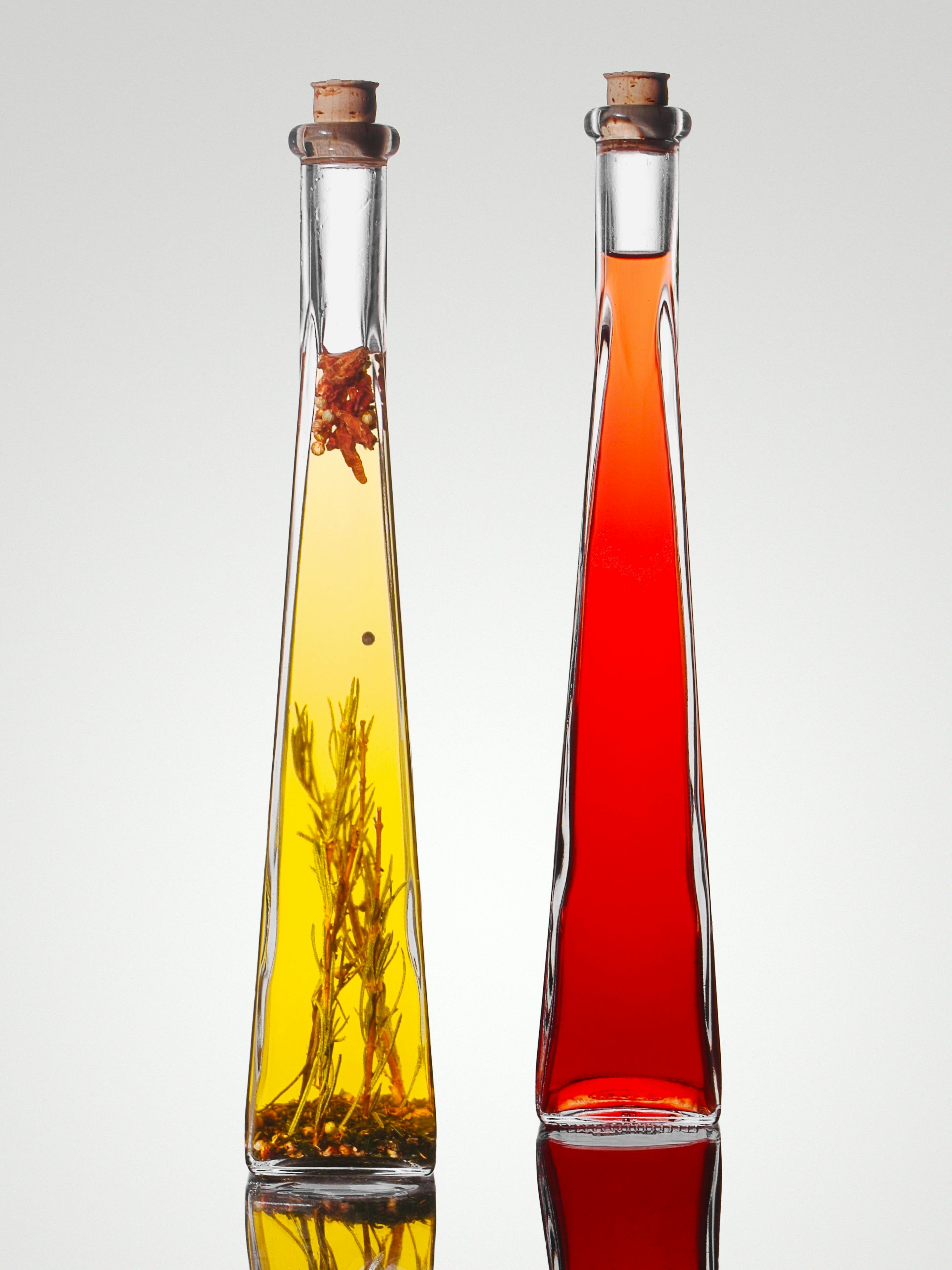
Seed oils begin as edible seeds, such as sunflower and grape seed. To transform these seeds into culinary oil, the seeds are pressed and extracted. These oils can be unrefined or refined.
Unrefined seed oils retain a significant amount of the seed’s natural flavors, colors, antioxidants, and other plant-based compounds, according to the medical journal Frontiers in Nutrition. Two common extraction methods—cold pressing and expeller pressing—don’t use chemical solvents like hexane, which can be linked to some health issues in certain situations, per the U.S. Environmental Protection Agency (EPA).
Cold pressing extracts oil at low temperatures while expeller pressing uses mechanical pressure, generating minor heat from friction, notes oil manufacturer Centra Foods.
Refined seed oils go through additional processing, typically using high heat and chemicals such as hexane. As explained in an article published in The Scientific World Journal, refining helps remove contaminants that affect flavor, smell, shelf life, and smoke point.
This makes them more resistant to oxidation and more versatile in cooking, says Cindy Chou, RDN, a registered dietitian, chef, and founder of The Sound of Cooking. She adds that the tradeoff is some nutrient loss, such as vitamin E.
Each seed oil is usually found in both forms, unrefined and refined; however, refined versions are more readily available, less expensive, and more prevalent in highly processed foods.
Types of seed oils

There are numerous seed oils in the U.S., but eight have been referred to by some people as the “Hateful Eight,” says the Cleveland Clinic, as they supposedly cause more harm than good. These eight types of oil are:
- Canola (also known as rapeseed)
- Corn
- Cottonseed
- Grapeseed
- Rice bran
- Safflower
- Soybean
- Sunflower
The term “Hateful Eight” is catchy…but misleading. “Seed oils aren’t inherently harmful,” says Samantha Cassetty, MS, RD, a registered dietitian nutritionist and co-author of Sugar Shock.
Potential health benefits
When considering possible pros from using seed oils, there are a few things to keep top of mind.
They’re a source of essential fatty acids
Some seeds oils are rich in polyunsaturated fats (PUFAs) like omega-6 fatty acids (important for cell structure) but lower in omega-3s. As the American Diabetes Association notes, both omega-6s and omega-3s are “essential” because your body can’t make them.
A review published in the March 2025 issue of Current Opinion in Clinical Nutrition & Metabolic Care highlighted that linoleic acid, the main omega-6 PUFA, “has cardiometabolic benefits rather than harmful effects.”
They provide antioxidants and other health-promoting compounds
Seed oils, mainly when unrefined, retain significant health-protective plant compounds. Consuming healthy fats and antioxidant polyphenols in seed oils may “lower levels of oxidative stress and inflammation,” according to an overview published in the June 2022 issue of Foods journal.
For free radical-fighting vitamin E, unrefined cold-pressed sunflower oil is a good source, per the Journal of Food Composition and Analysis.
There are potential cardiovascular benefits
Replacing saturated fats with unsaturated fats—like in seed oils—may help reduce heart disease risk, according to the Advances in Nutrition research journal. And alpha-linolenic acid (ALA), an omega-3 found in flaxseed oil, may offer cardioprotective benefits, according to the International Journal of Molecular Sciences.
Also, omega-6 may help lower LDL-cholesterol levels and has been linked to a reduced risk of heart disease and overall mortality, says Chou. Monounsaturated-rich seed oils—such as rice bran, canola, and high-oleic sunflower—may reduce LDL, per a separate Advances in Nutrition article.
They could potentially help with blood glucose management
A review published in the February 2025 issue of Frontiers in Nutrition demonstrated that seed oils from canola, flaxseed, and sesame seeds positively influenced glycemic control, suggesting they may be helpful in managing diabetes.
There’s a potential link to lower mortality
According to a study published by JAMA Internal Medicine, people who used more plant-based oils (safflower, soybean, corn, canola, and olive oil) had a significantly lower risk of dying.
Potential health concerns

It’s also worth noting that there are some uncertainties surrounding seed oil use.
They could contribute to an omega-6/omega-3 imbalance
The American Heart Association supports including omega-6s within a nutritious diet. For optimal health, some experts suggest an omega-6 to omega-3 ratio of 1:1 to 4:1; the typical Western diet is about 10:1 to 20:1. While seed oils may contribute to this imbalance, those rich in omega-3s, such as chia, hemp, and flaxseed oils, aren’t readily used.
They might lose health-protective compounds
The more highly refined the seed oil, the greater the nutrient loss. For instance, research on refined sunflower oil in the January 2022 issue of Molecules found significant losses of carotenoids (98.6%) and phytosterols (19.5%). Carotenoids are “pigmented nutrients” found naturally in produce, according to the Cleveland Clinic, while phytosterols are “natural compounds found in plants.”
Seed oils could contribute to inflammation
Current research has suggested omega-6s may be beneficial. A May 2025 review in Current Developments in Nutrition found that “higher intakes of omega-6 fats and higher serum linoleic acid (the main omega-6 in seed oils) were not associated
Comments
Post a Comment